
The Benedictine Abbey of Santa Maria di Cavour
An ancient monastery steeped in history, in the shade of centuries-old trees


Where
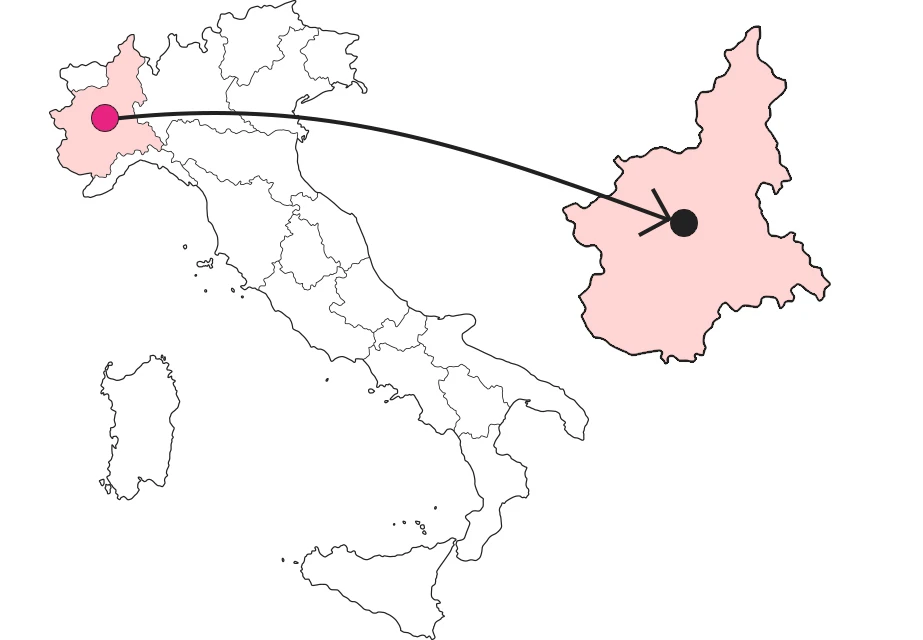
What Is the Abbey of Santa Maria di Cavour and Where Is It?
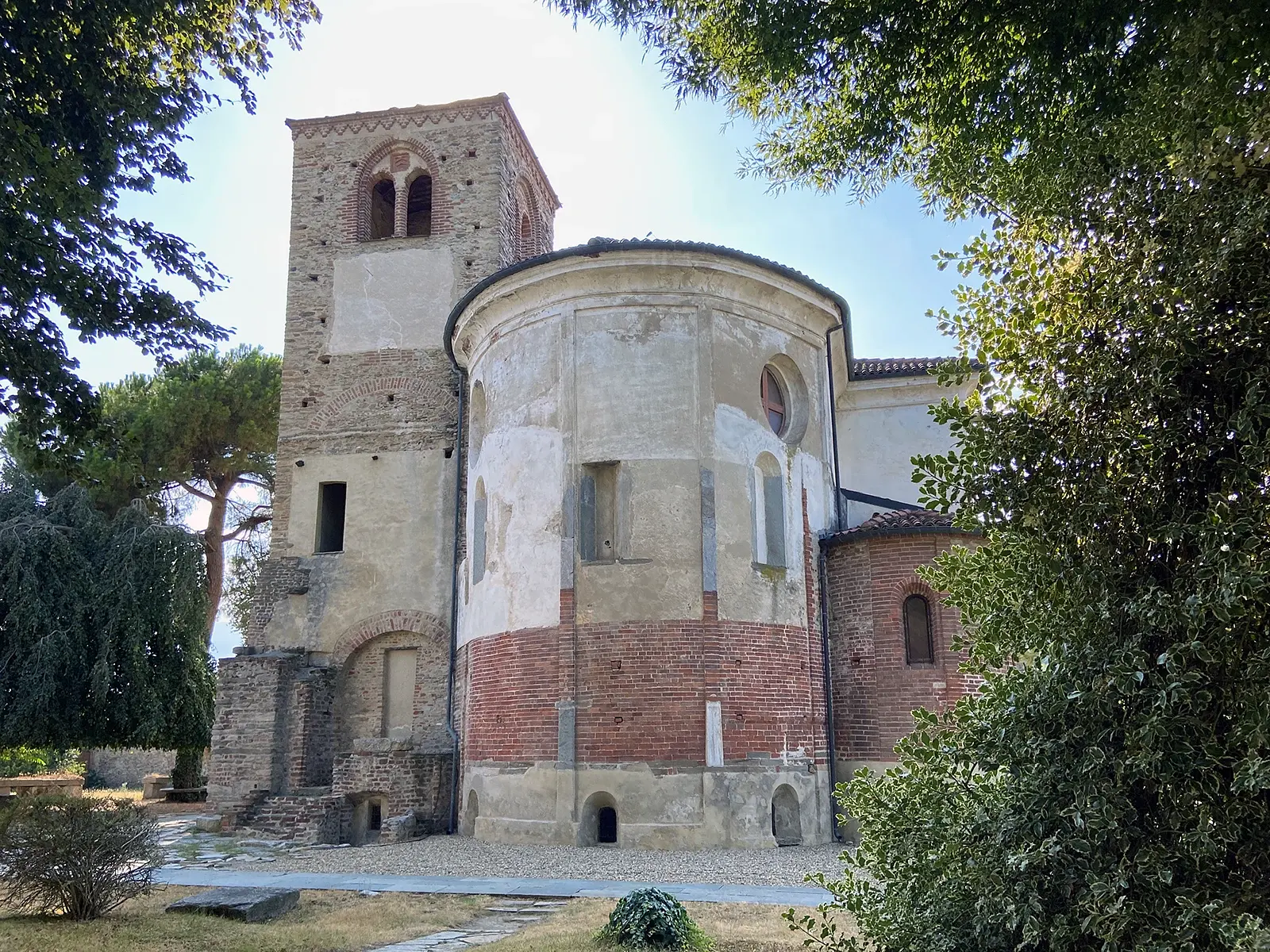
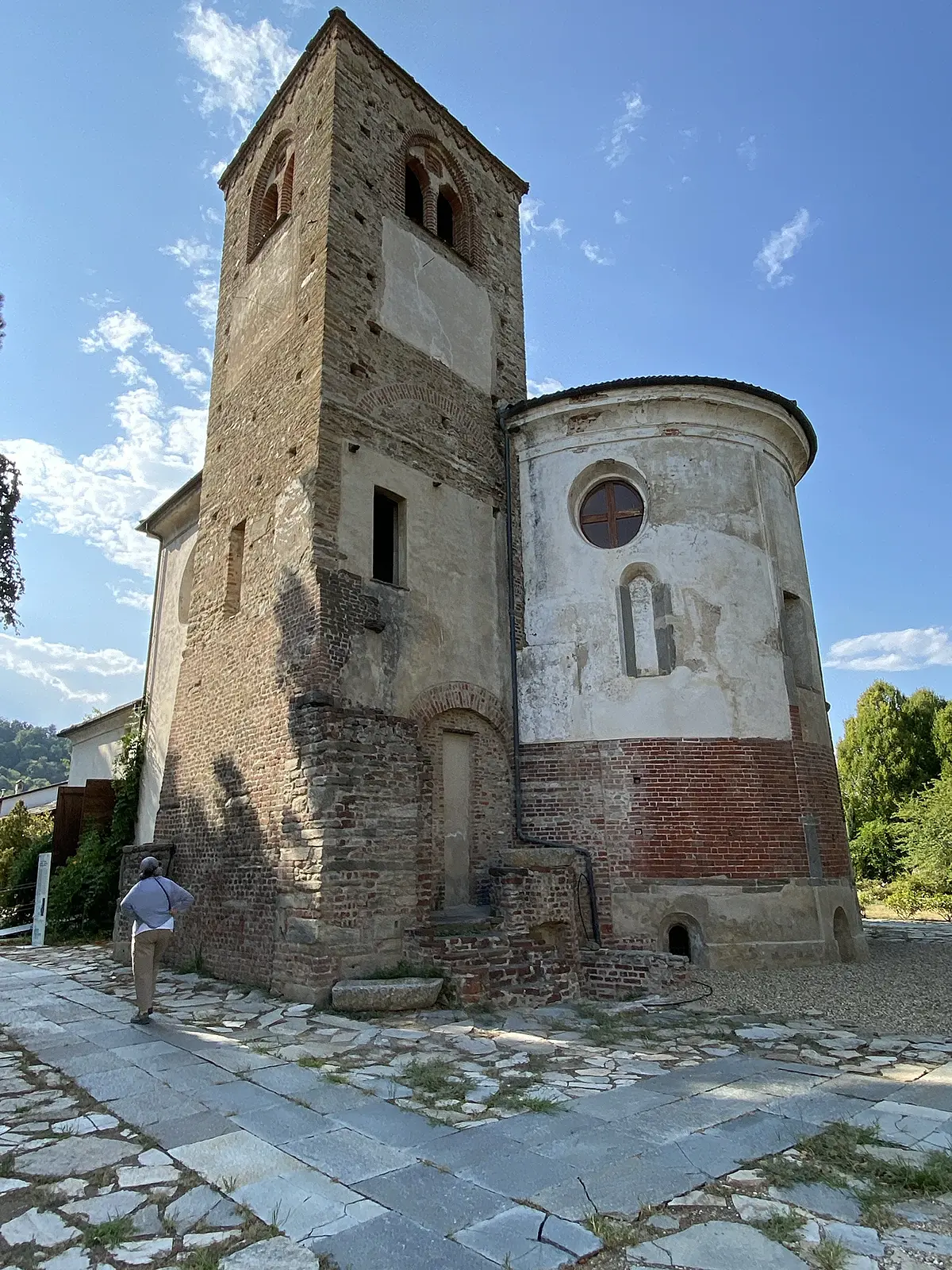
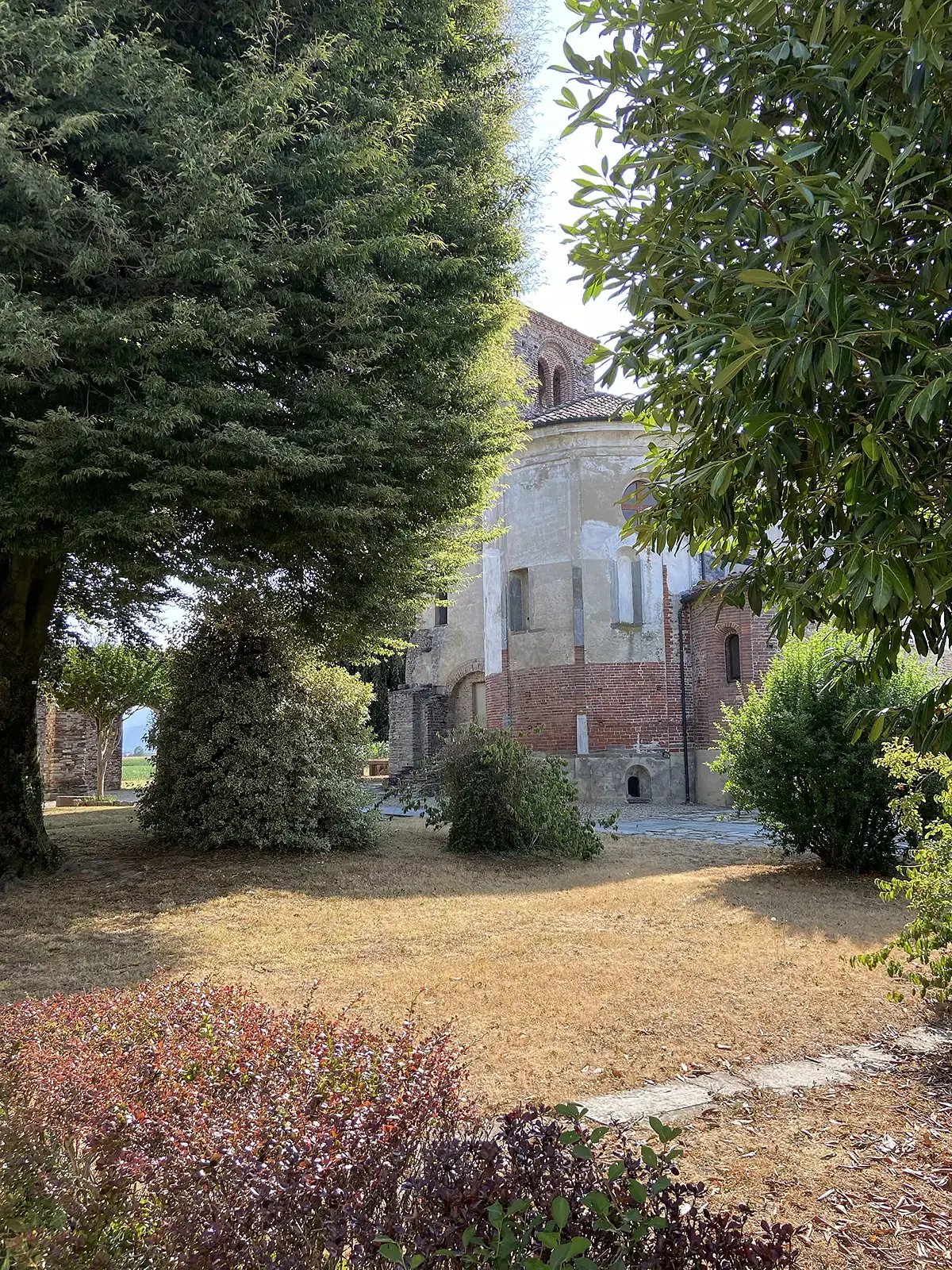
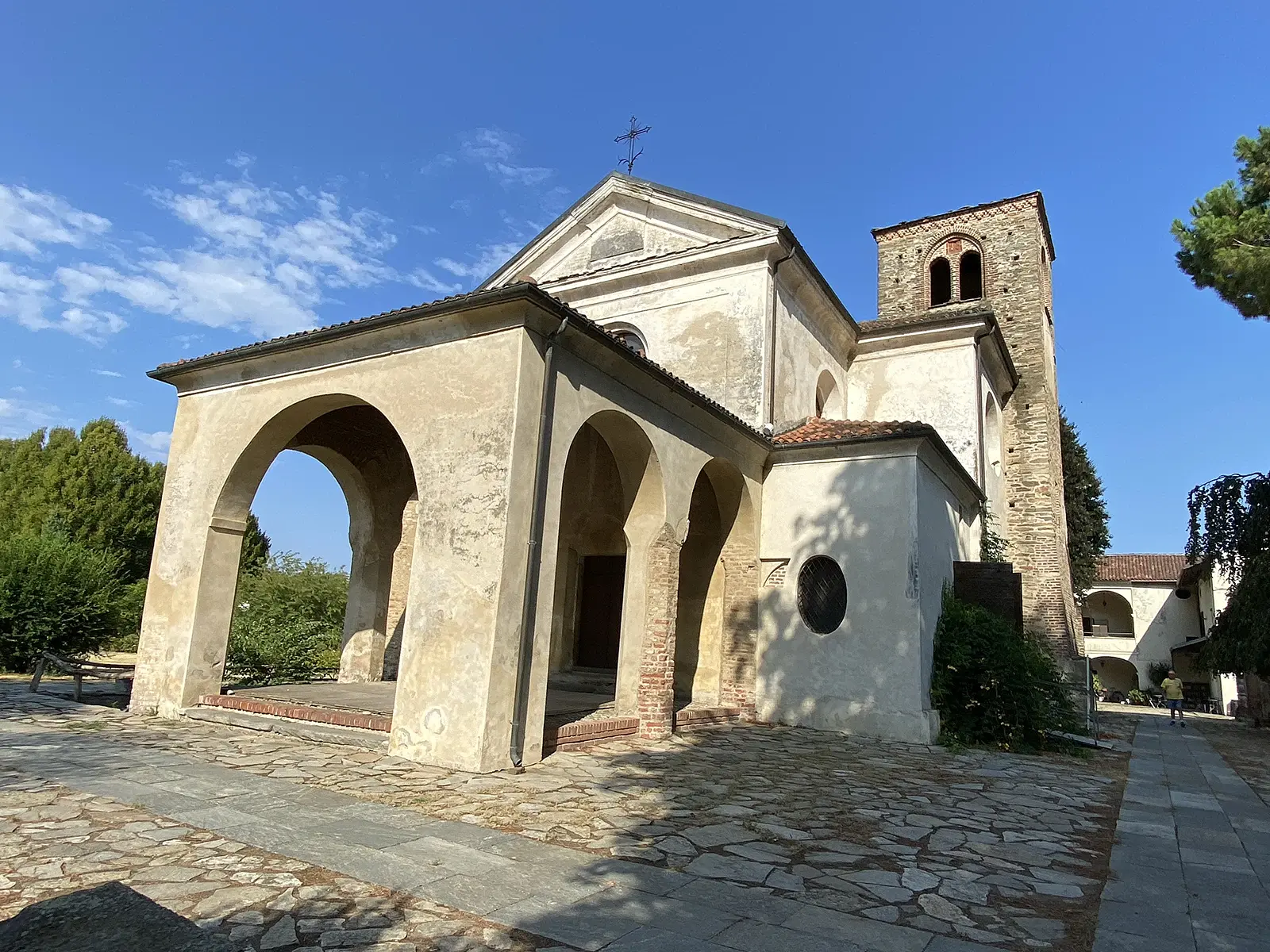
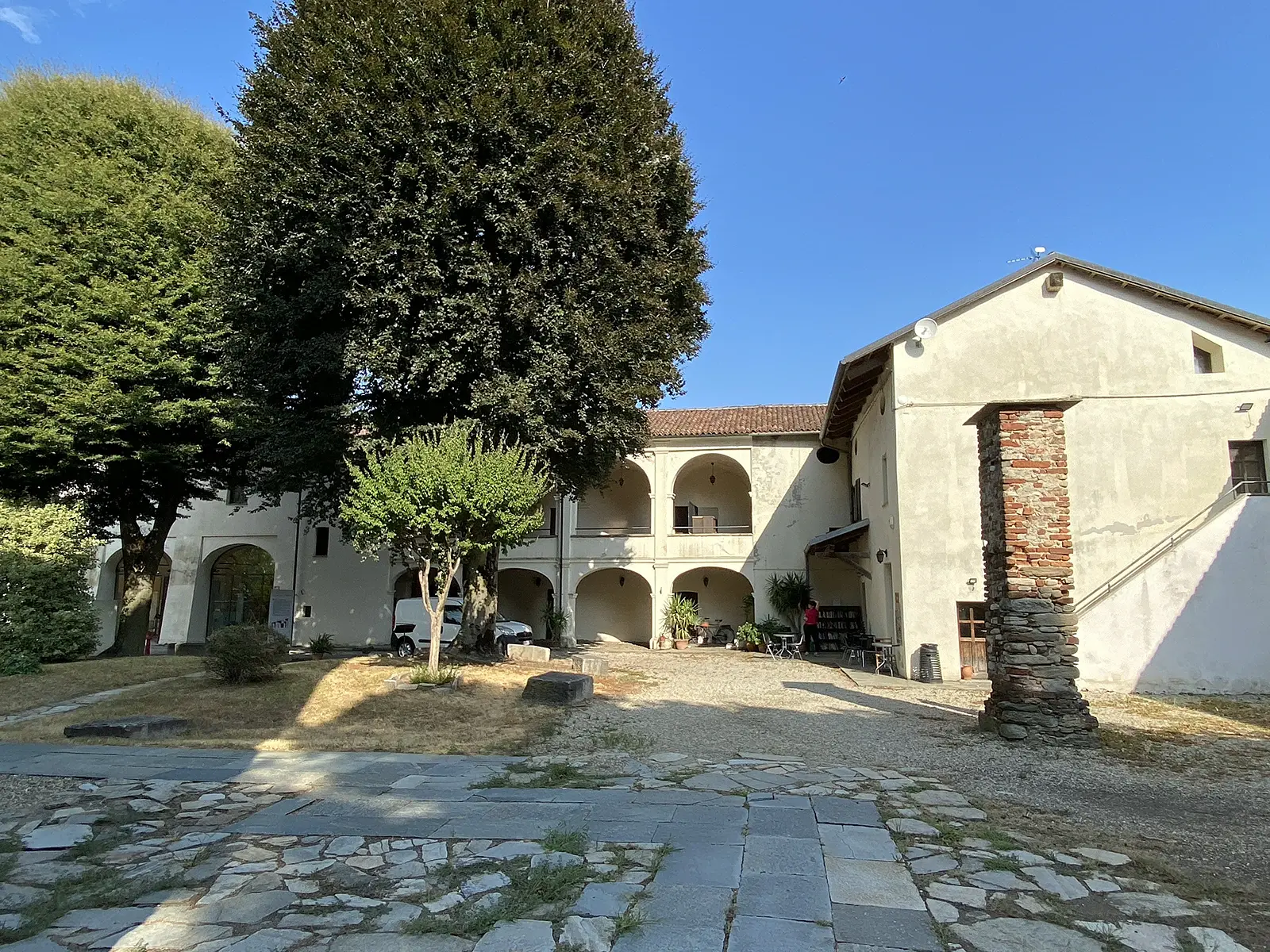
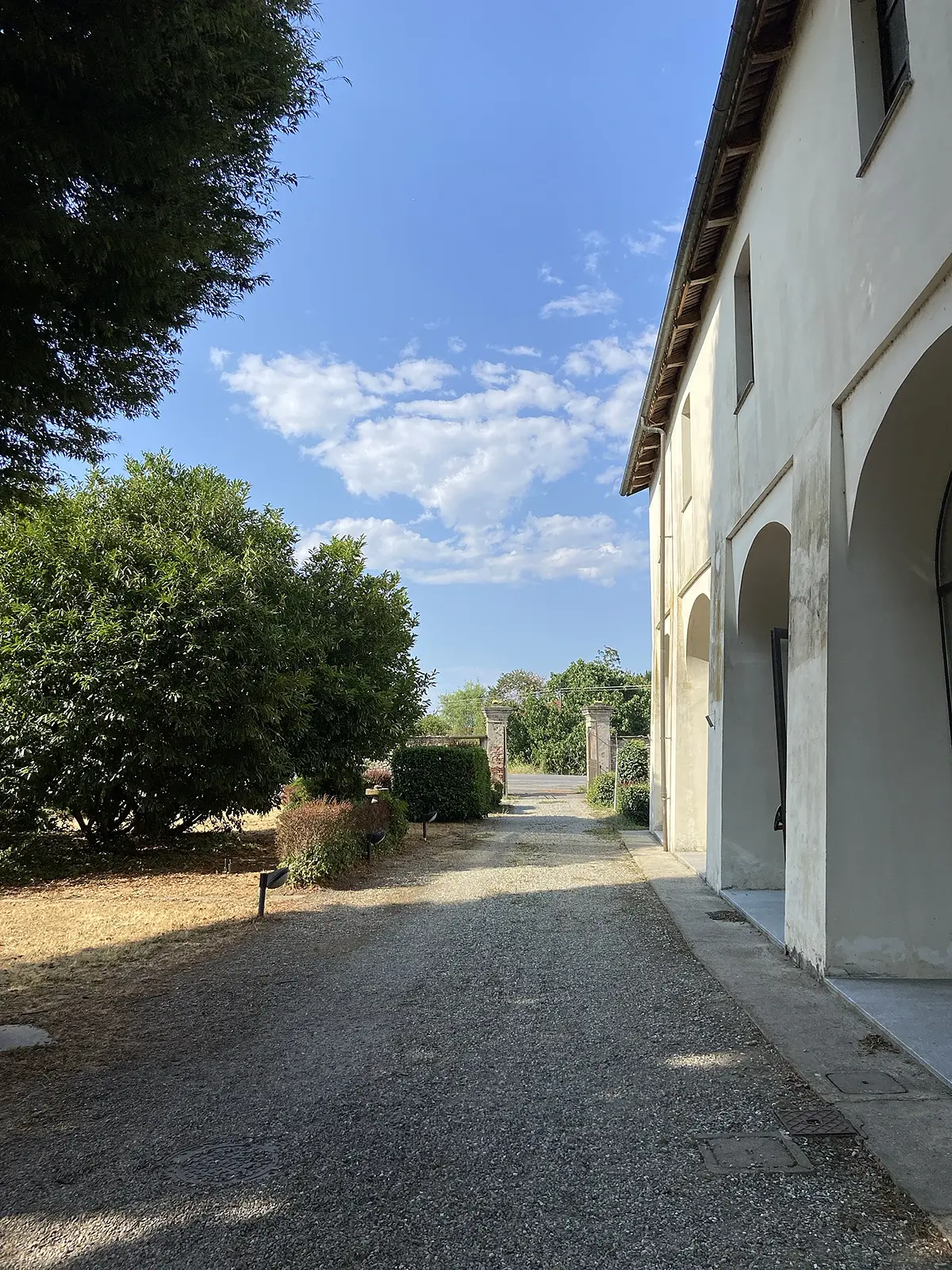
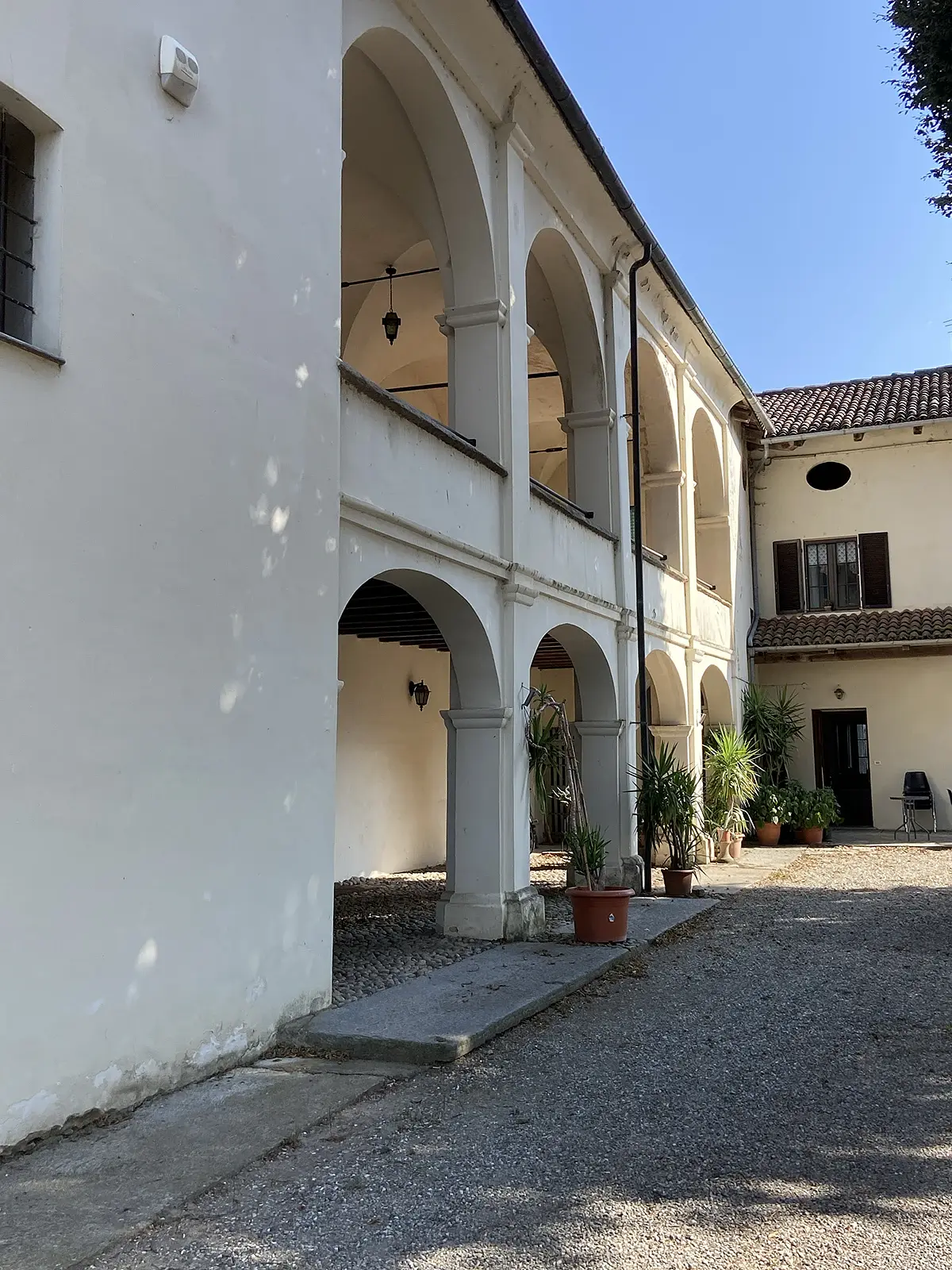
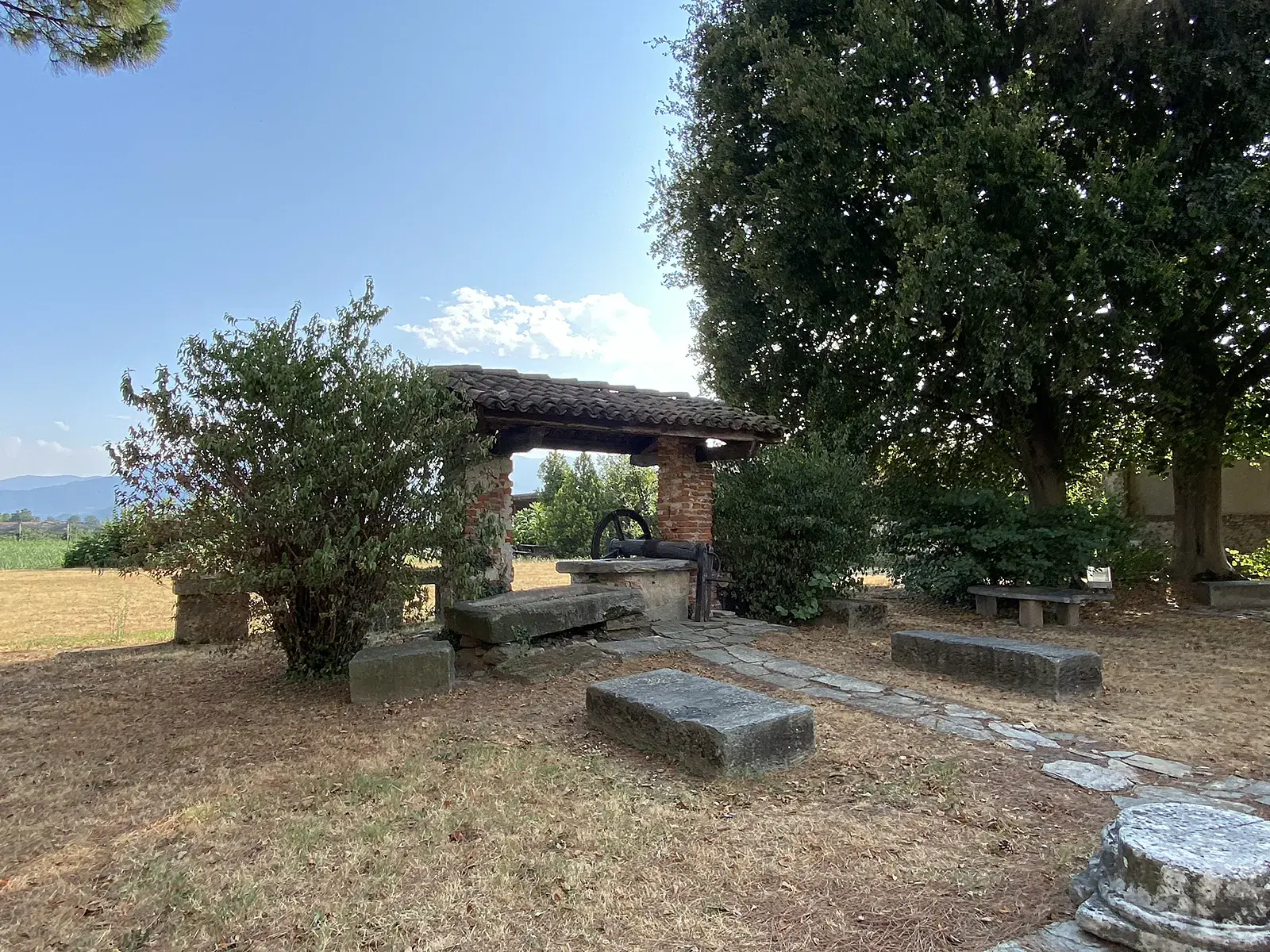
In the Piedmont countryside, not far from the village, standsthe Abbey of Santa Maria di Cavour, an ancient religious complex comprising buildings from different eras. As soon as you pass through the entrance gate, you are enveloped in a pleasant silence, and the magnificent Romanesque apse of the church comes into view, flanked by the almost Gothic bell tower with its beautiful mullioned window and terracotta decoration. Scattered around the area, as if placed at random, are stone slabs and the base of a Roman column, set against a beautiful green lawn.
A Bit of History
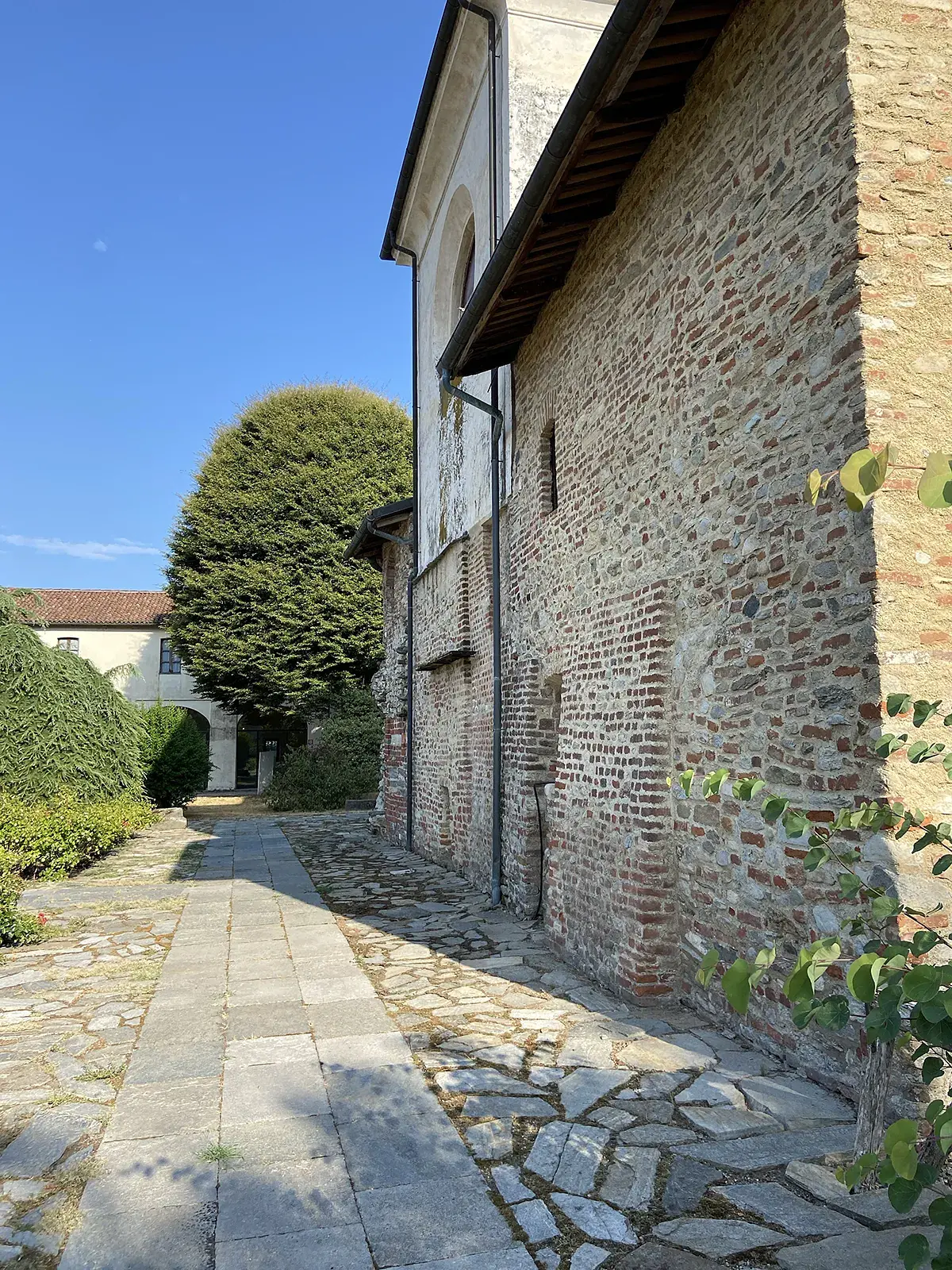
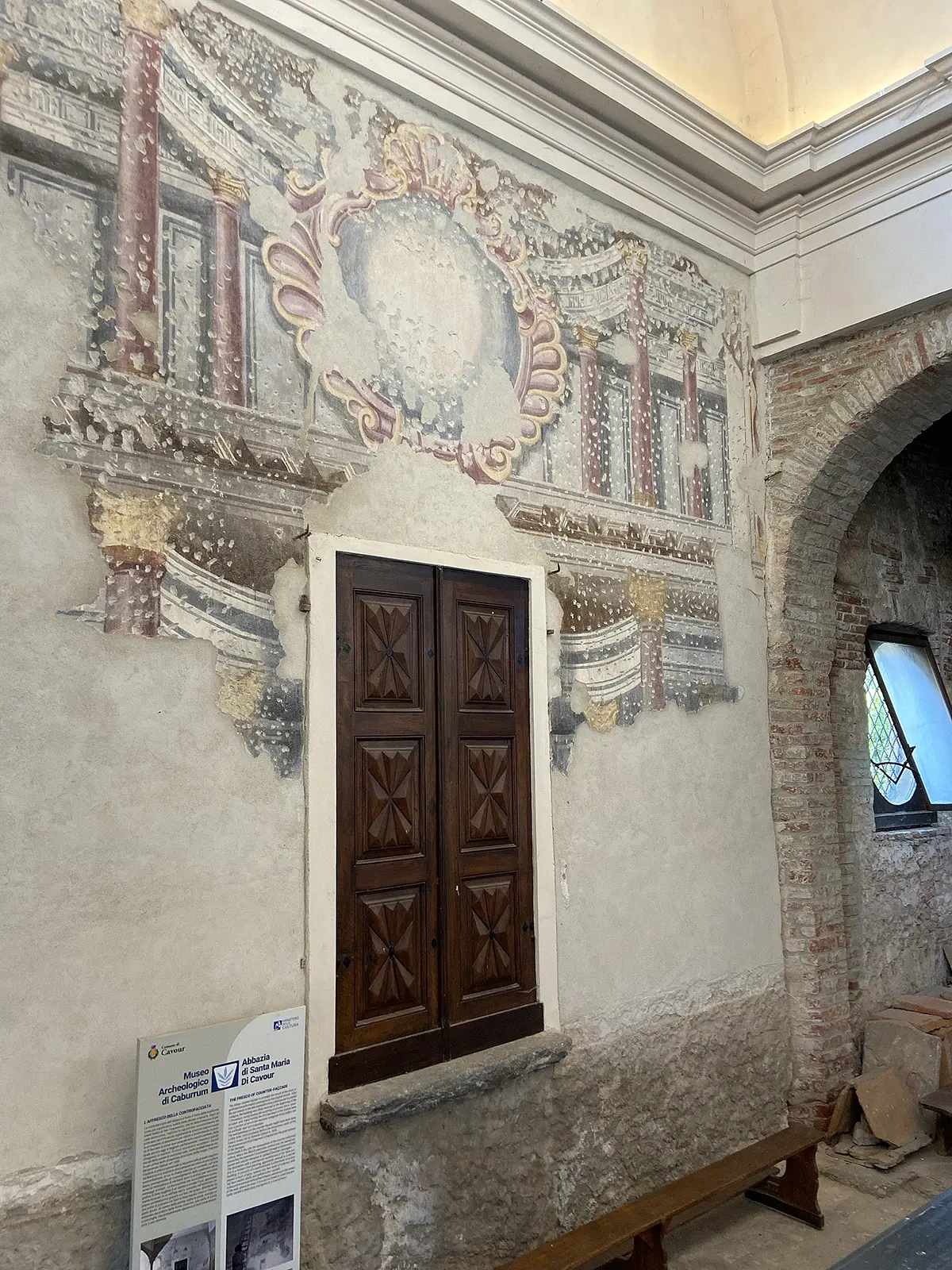
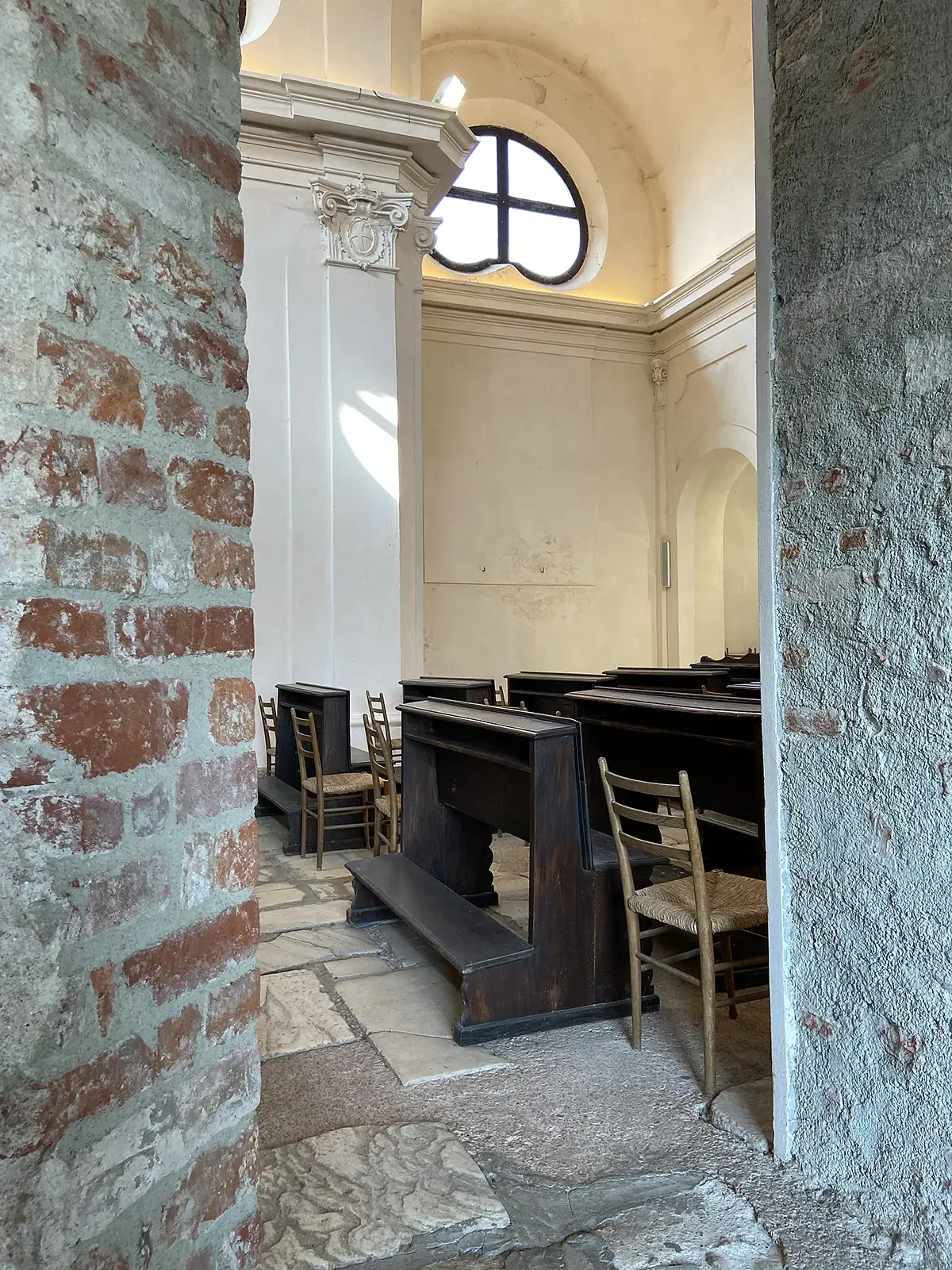
This Benedictine complex was founded in 1037 at the behest of Landolfo, Bishop of Turin, on the site of an earlier early Christian church destroyed by a Saracen raid in the 10th century. It quickly became a major center of spiritual, economic, and political power in the Middle Ages. After falling into decline in the following centuries, it was destroyed by the French in the 16th century and rebuilt in the late Baroque style, though the Romanesque crypt was spared. The renovation in the early 1960s removed the Baroque embellishments and brought the ancient structure back to light.
Why it’s special: the story told by the stone
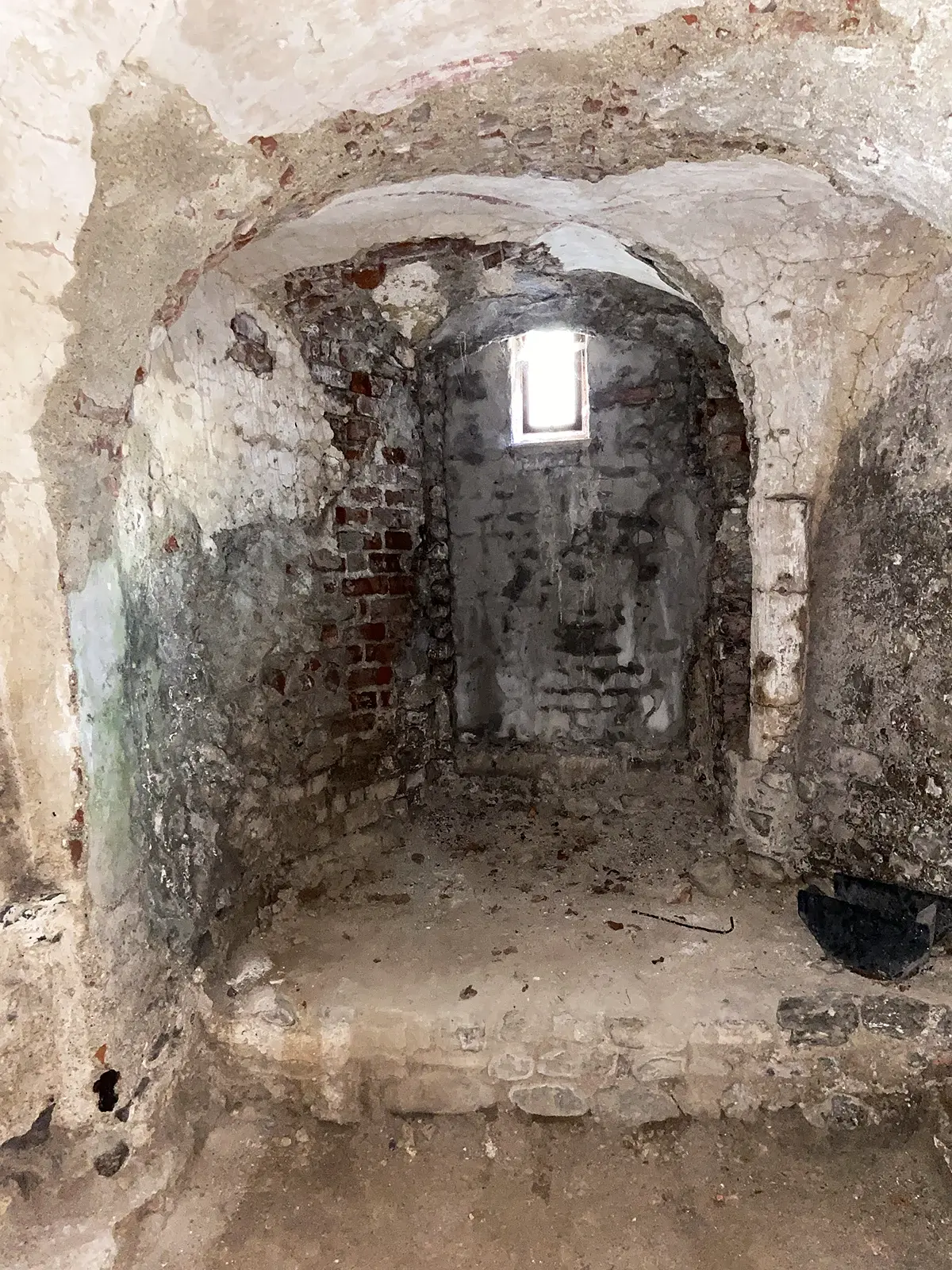
The site is thus a treasure trove of history: the abbey stands on the remains of the walls of the ancient city, Forum Vibii Caburrum, whose excavations led to the creation of a small museum housed in the building where the barrels were stored and where the grapes were pressed. The church itself is the result of the layering of different eras.
Don’t miss: the Romanesque crypt
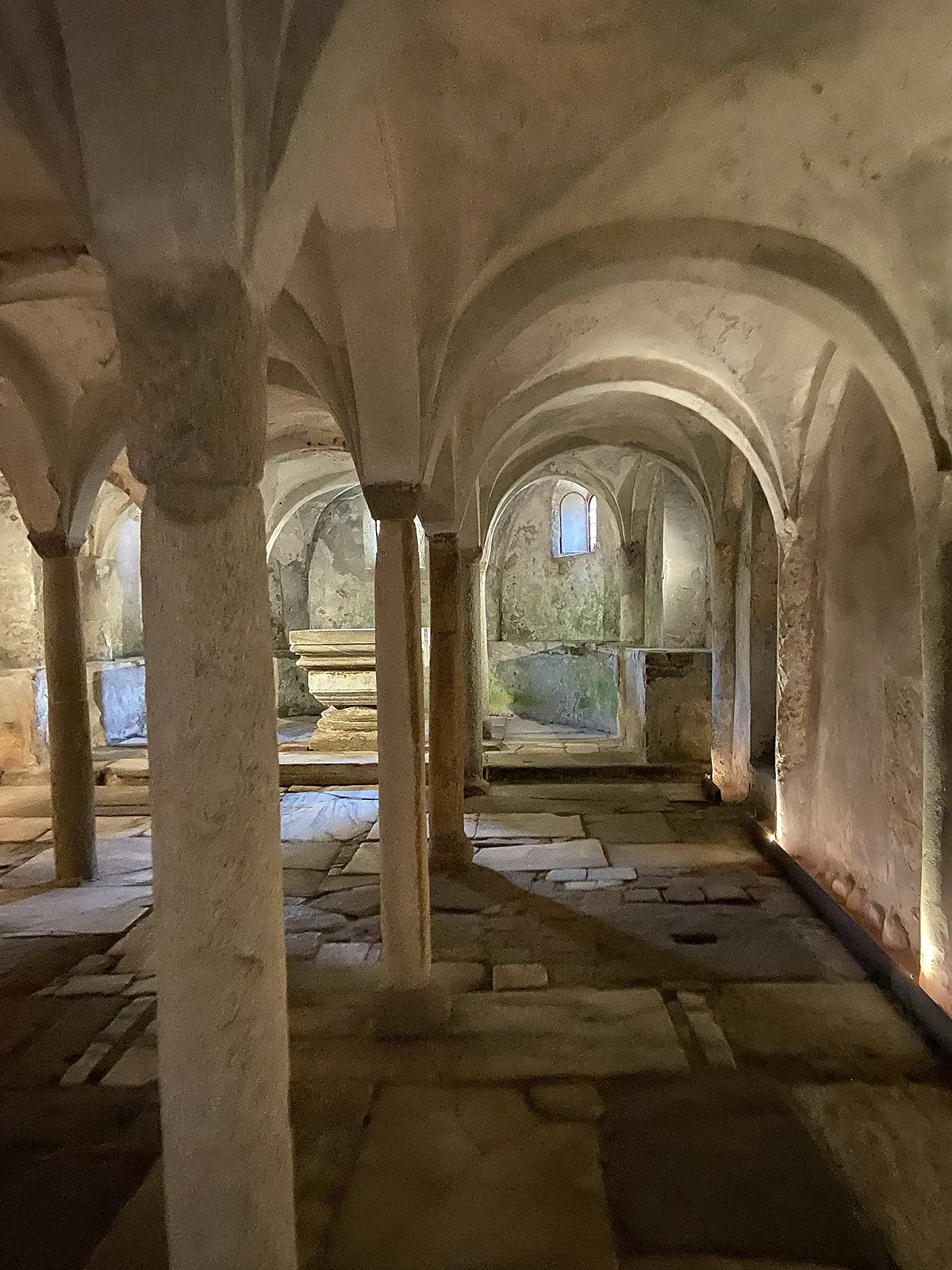
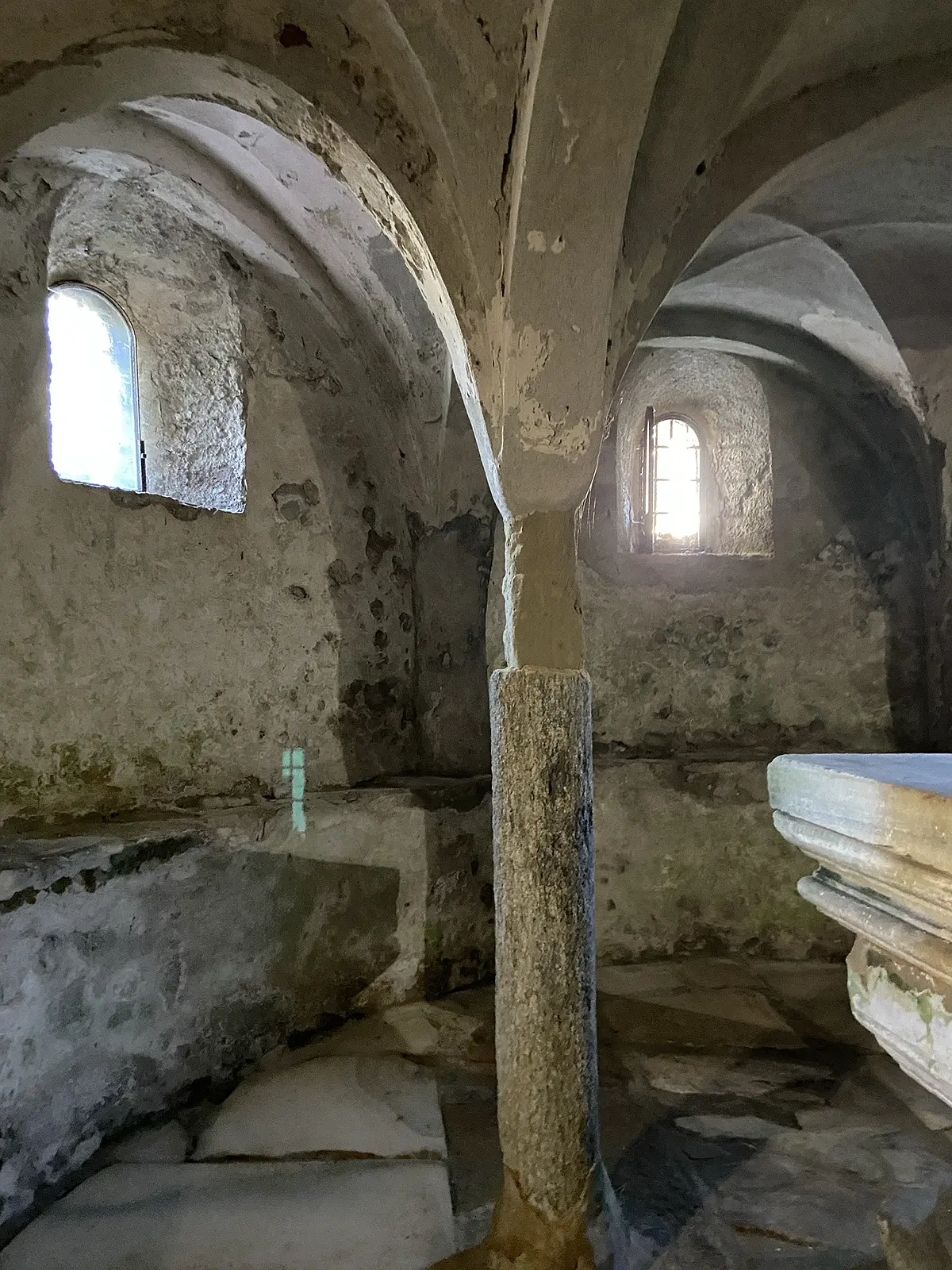
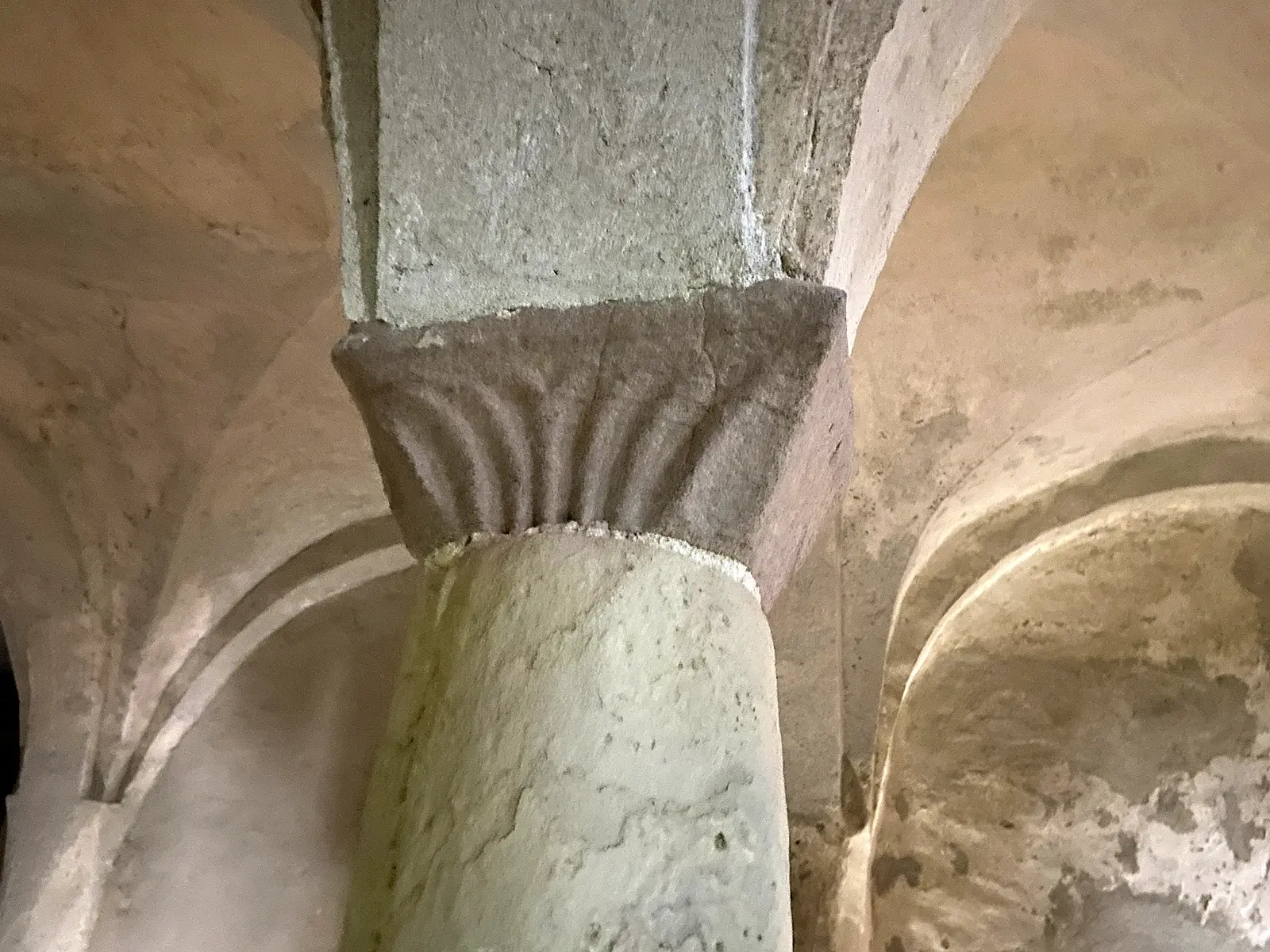
What makes the abbey absolutely worth a visit is its crypt. Descending the few steps that lead below ground level, you find yourself in the oldest and best-preserved part of the complex. Here, the space is divided into five small longitudinal naves, marked by four rows of small columns supporting a series of cross vaults. Dim light filters in through small single-lancet windows, creating a truly evocative play of shadows.
The Oldest Altar in Piedmont
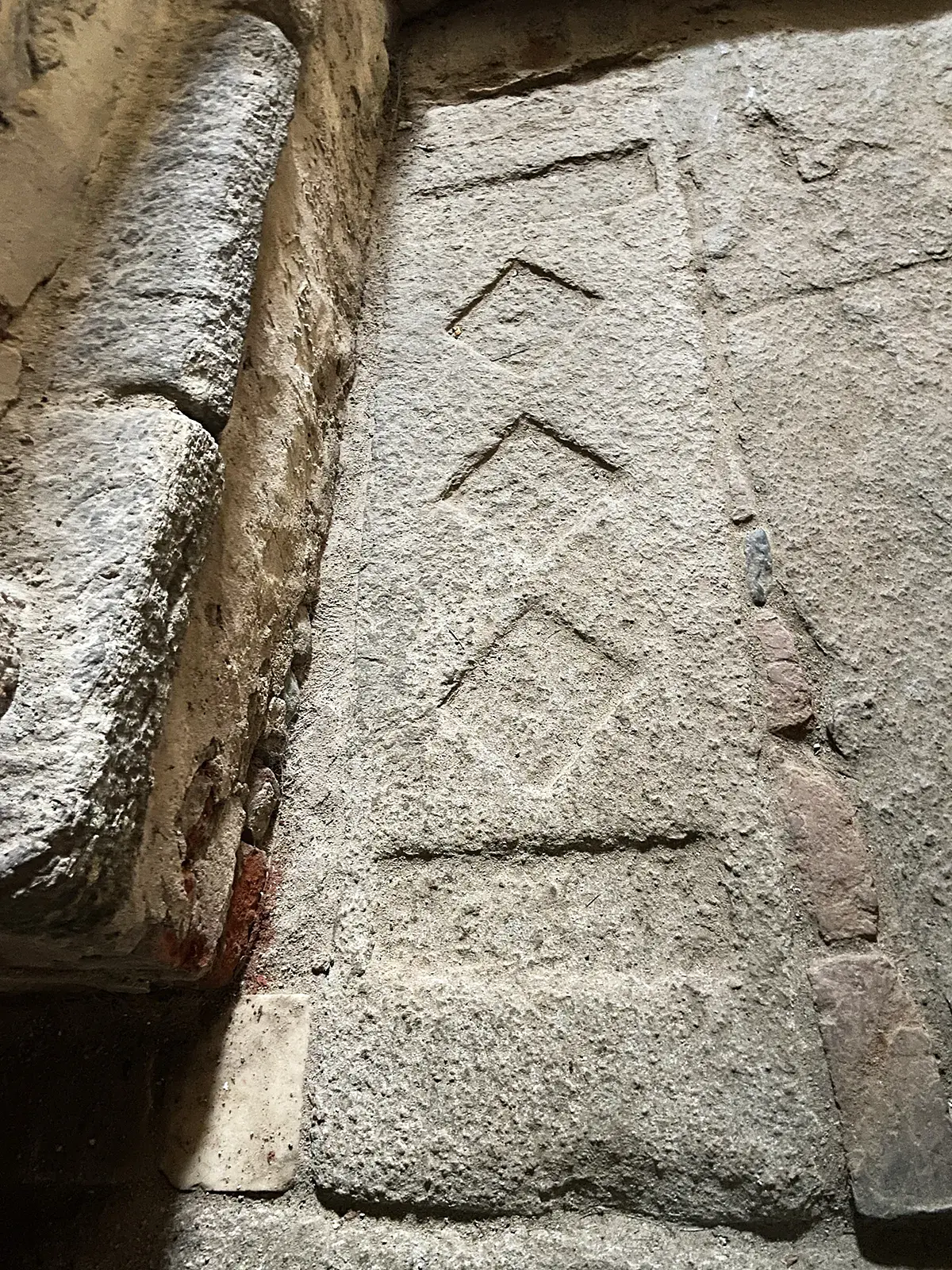
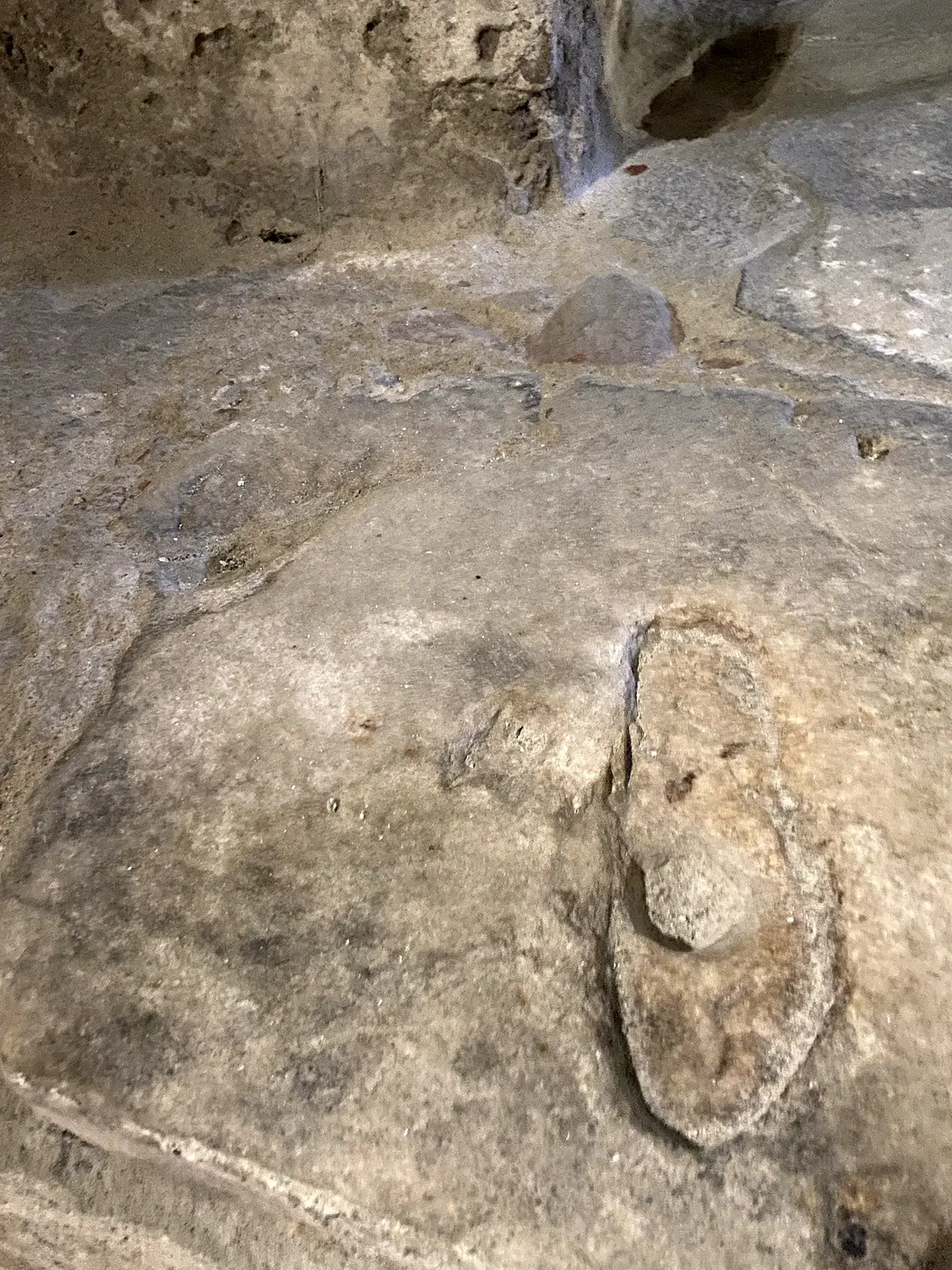
According to the guidebooks, at least , this is the site of the oldest Piedmontese altar still in existence today ; a Roman-era stone— a milestone from the road connecting the towns in the area — was reused in its construction. But the entire crypt is the result of a veritable plundering of the ancient Roman city of Forum Vibii Caburrum. It might be interesting to explore the inverted Roman capitals used as column bases or the fragments of Roman tombstones embedded in the walls and floor, but the most intriguing discovery is a slab of Paros marble bearing the hollowed-out outline of two human feet. Tradition attributes these to the footprints of angels or saints, but in reality, they are bases for statues. In fact, the Romans would carve the exact outline of the statue’s feet (or sandals) into the stone base. Metal or lead brackets were then cast into these recesses to secure the sculpture’s feet and prevent it from falling.
Enter the Map of Italy's Hidden Wonders and find treasures where you least expect it... Inspire, Recommend, Share...
Contacts
The Map thanks:
Enter the Map of Italy's Hidden Wonders and find treasures where you least expect it... Inspire, Recommend, Share...
Where
Contacts