
Basilian monks in Calabria: the «laure» of Locride
Spirit of the East in the West: an itinerary to discover the ancient Greek Byzantine places of worship in Ionian Calabria


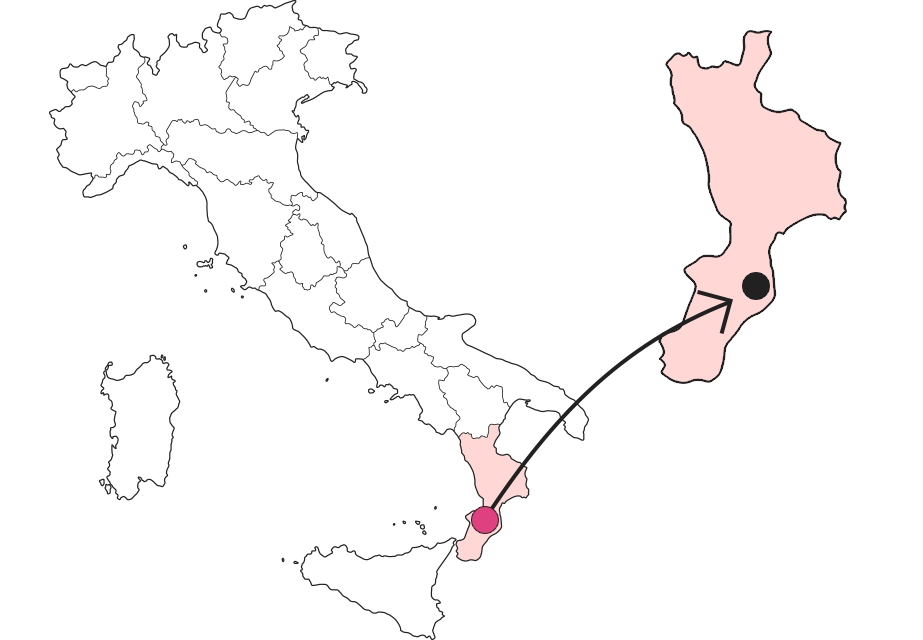
Where
Basilian monks in Ionian Calabria: Spirit of the East in the West
Southern coast of Calabria: the Mediterranean Sea touches a land with a mild climate, barren yet fertile, rising almost immediately into hills and mountains, with coastal villages born as Greek colonies, already familiar with Eastern culture. This is what the Basilian monks fleeing from old Constantinople and Cappadocia faced in the 7th century. They were exiles plying the sea in search of a new land where they could return to a life of withdrawn prayer, where solitude is a search for contact with God. The heights of Ionian Calabria, so close to the sea, immediately presented themselves as the perfect place for their desires: they had finally arrived in their new home.
Itinerary to discover the Basilian monks'laure
Where their journey ended, ours begins: today, the villages have grown larger, moved in turn to the mountains, among the woods, and enriched with new churches, which have placed side by side the Catholic and the Greek-Byzantine cults, but the traces of the passage of the ancient monks are still clearly visible in the territory.
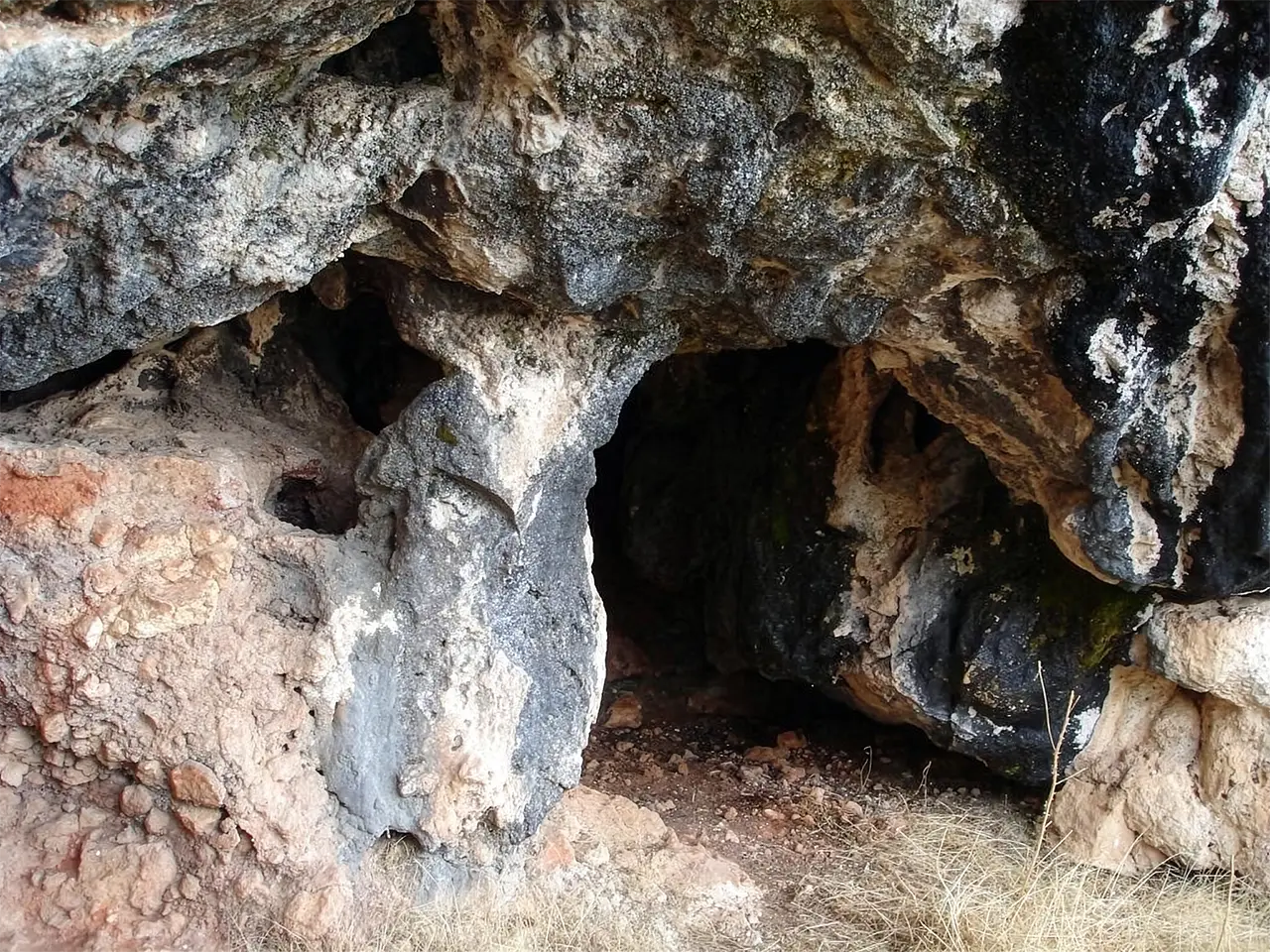
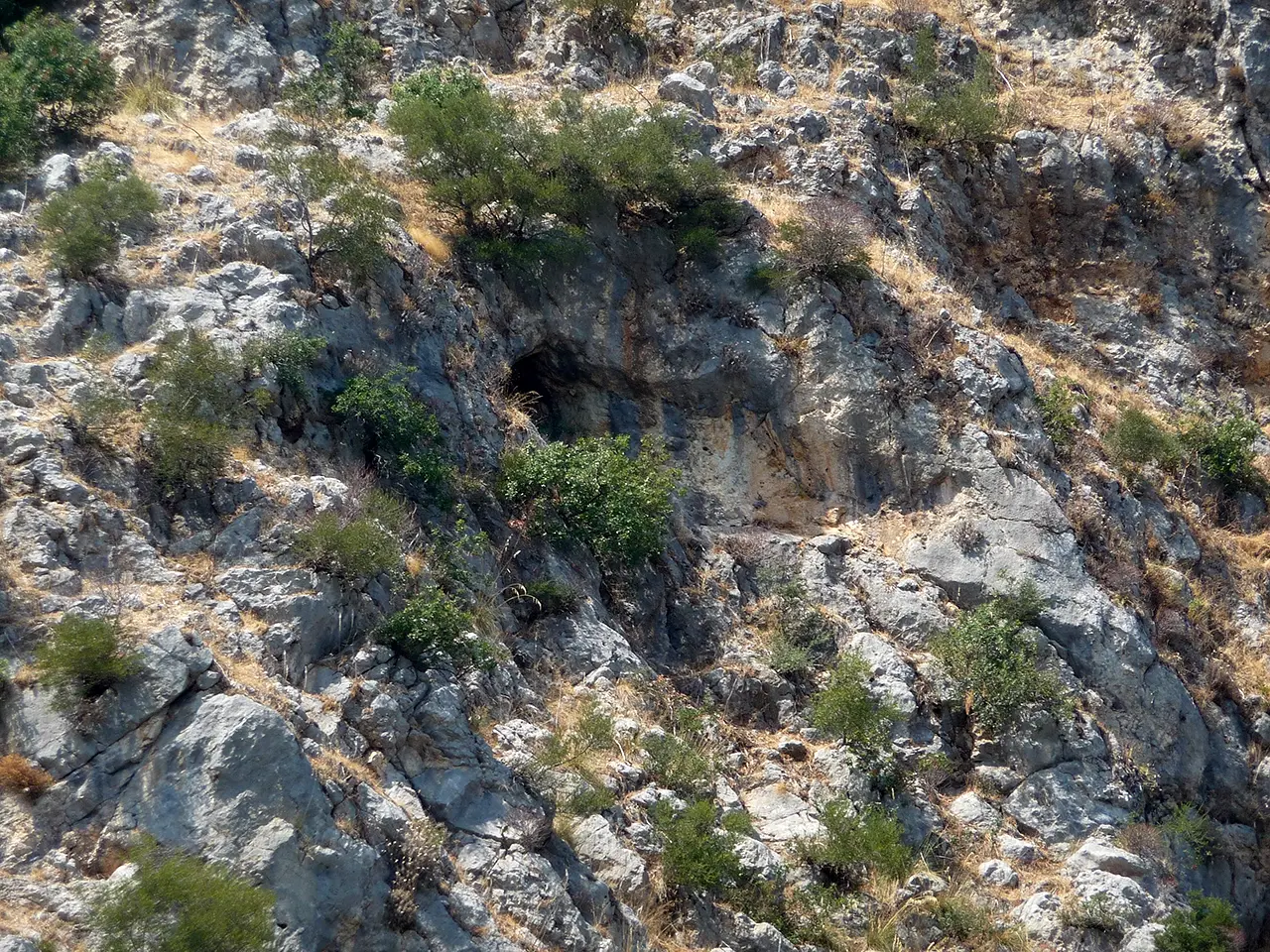
These are their laure: on Mount Consolin there are at least 16 of them. These are small caves where the hermit would settle down for a life in solitude sustained only by the essentials and prayer. Often the small cave carved into the mountain was adorned with a simple sacred representation. In some cases, later interventions of consolidation and (albeit minimal) expansion, such as a very small porch and a door, transformed the hermit caves into small rock churches.
Before setting out: the Cattolica of Stilo
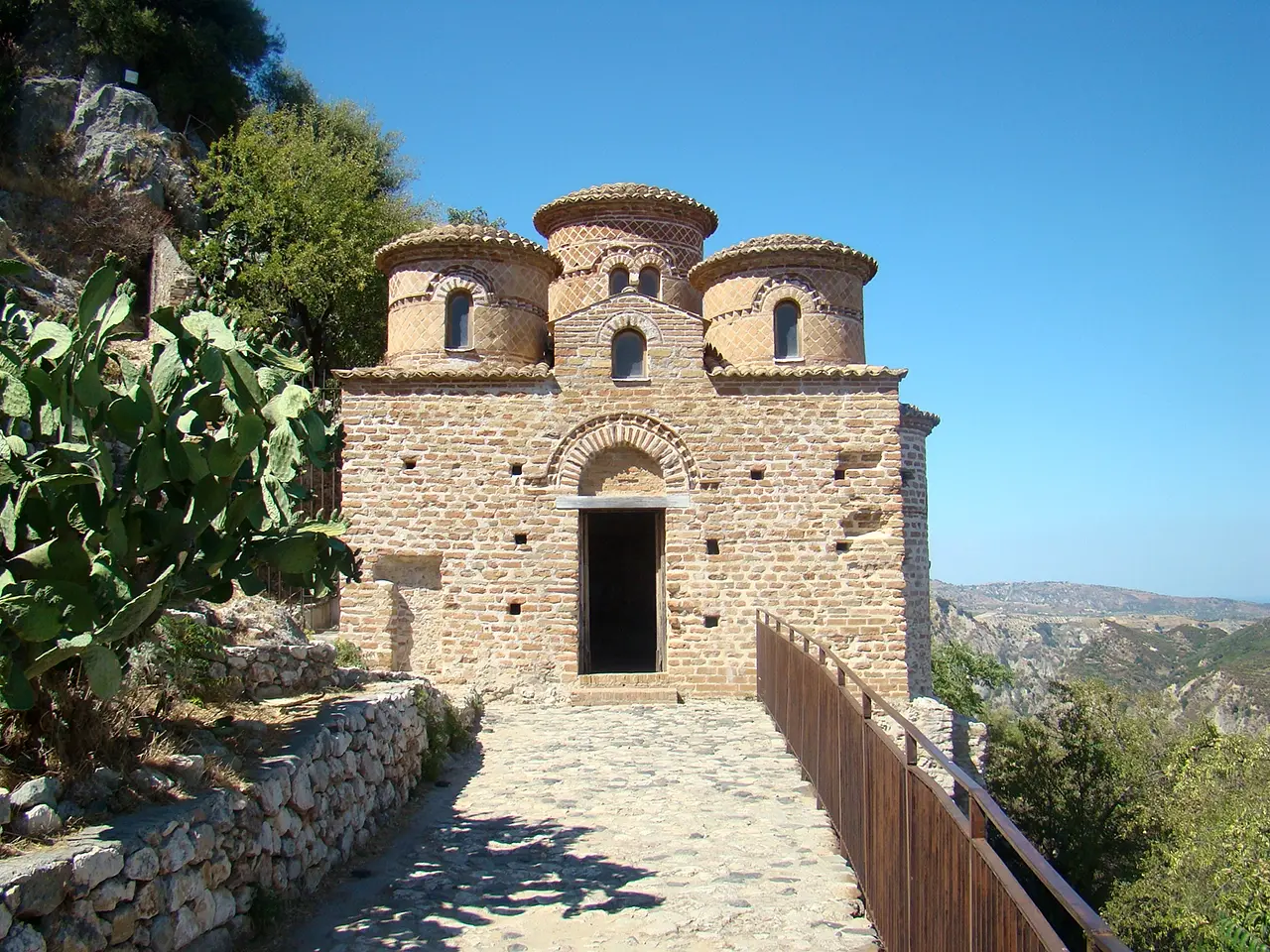
But before ascending Mount Consolino, we take a moment to admire the Cattolica of Stilo, a wonderful church at the foot of the mountain, on the edge of the town of Stilo. It is a Byzantine-style building: cubic, surmounted by five turrets, it houses a church in the shape of a Greek cross, just as tradition dictates.
Laura of the Shepherdess
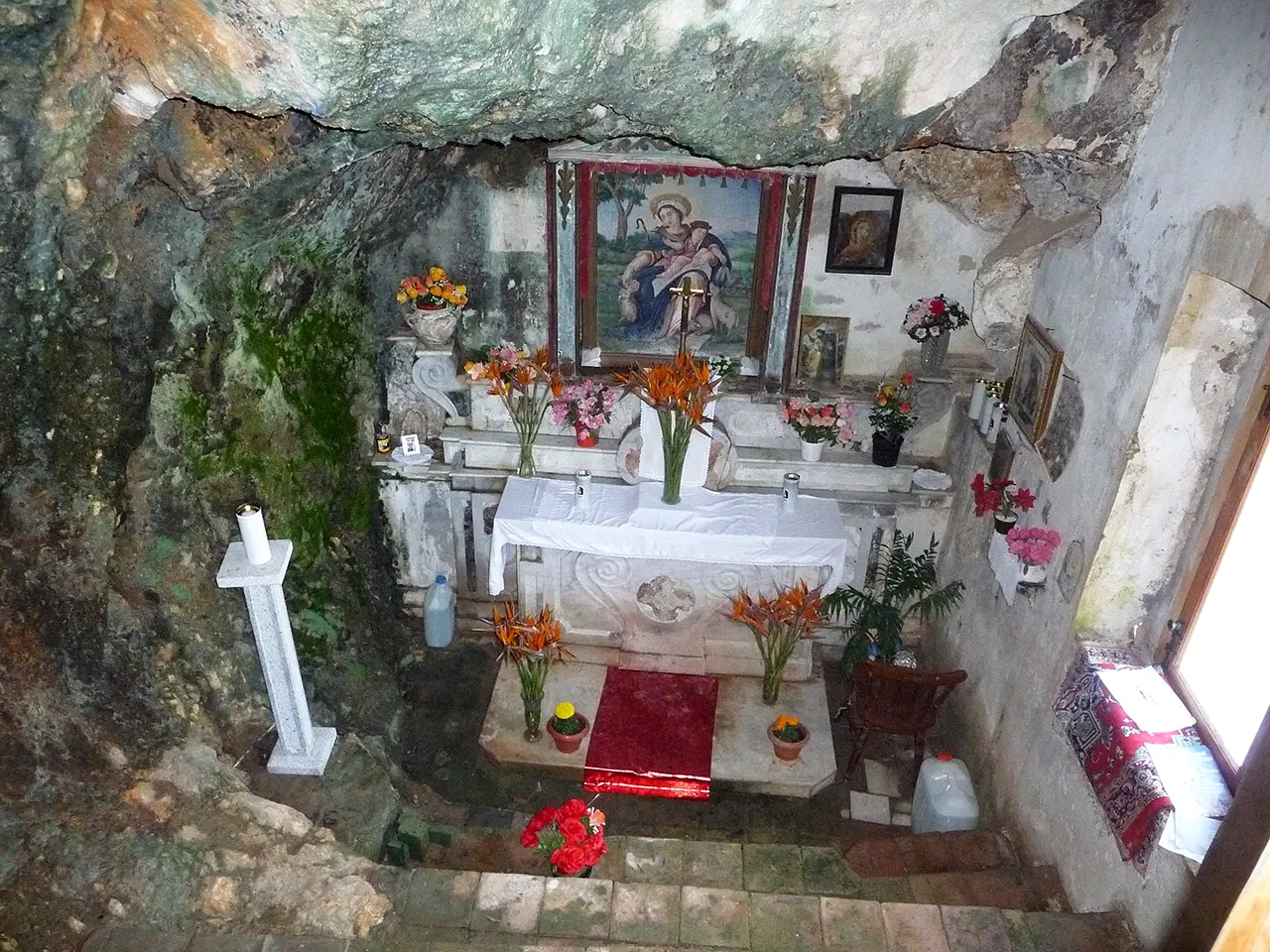
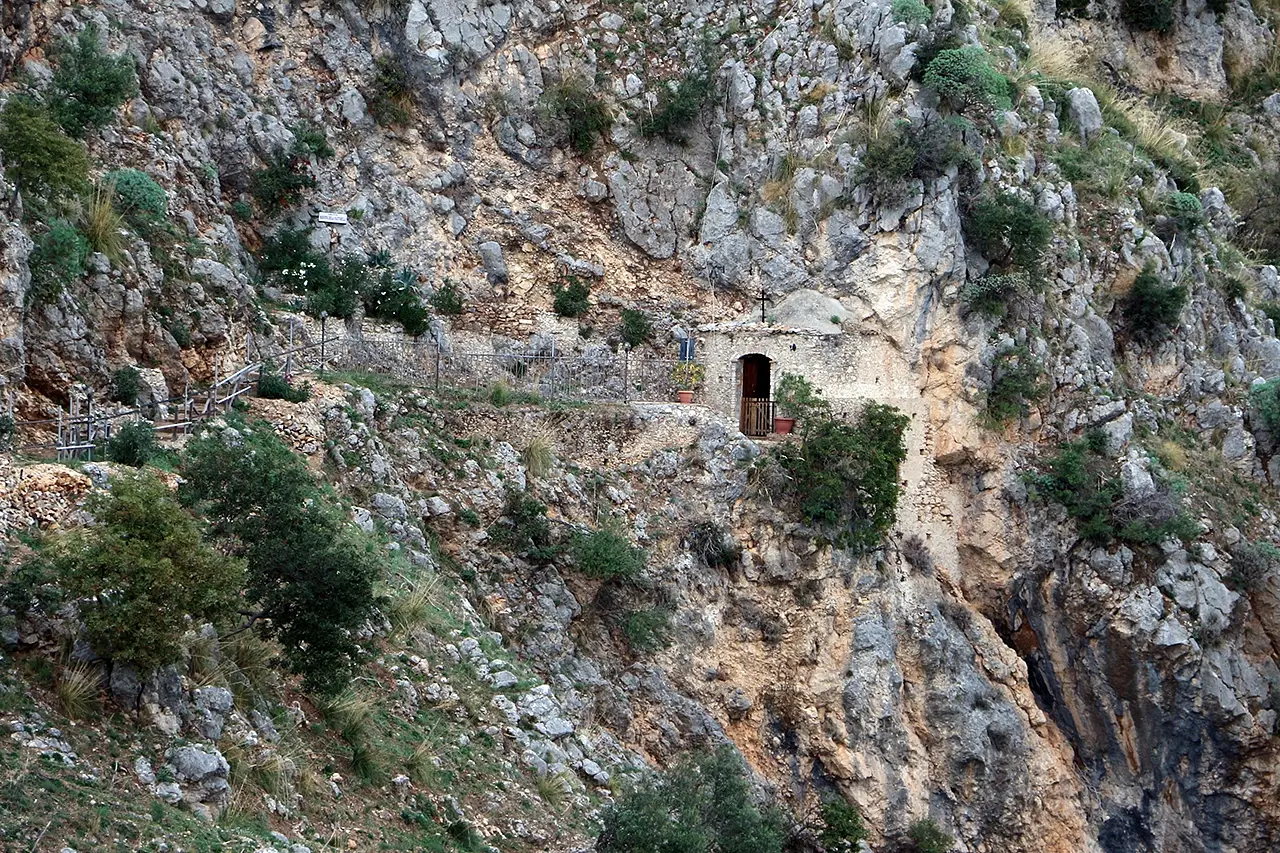
Now we can set out following the same direction that led the monks, disembarked from their journey to the Mediterranean, to seek tranquility among the rocks of this mountain. We head for the one closest to the Catholic, the Laura della Pastorella, or Little Church of the Shepherdess, because this is precisely an example of a cave with minimal architecture that makes it a small rock church. The rock embraces the small interior, with the simple decoration of a painting, and a small window, which floods the cave with light and allows the view to sweep over the Stilaro Valley, as if to bring together the sun, the earth and Creation.
Laura of Sant'Angelo
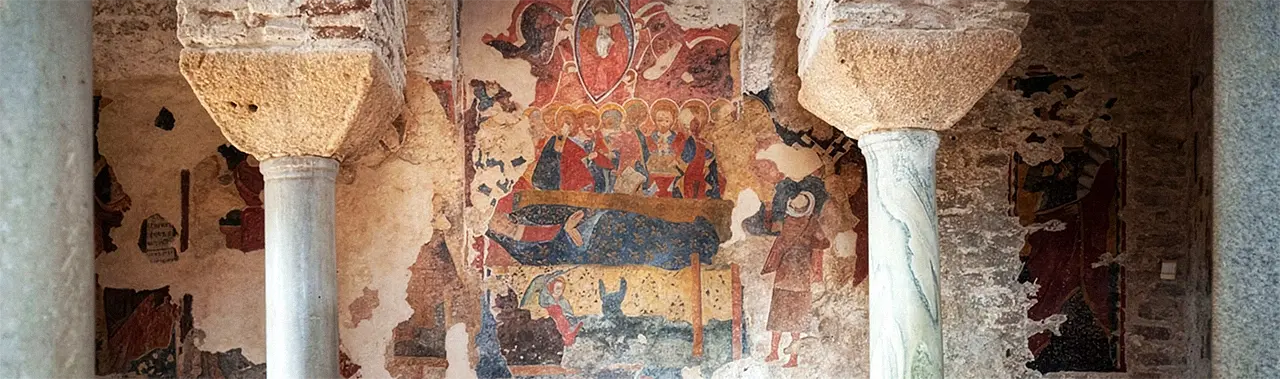
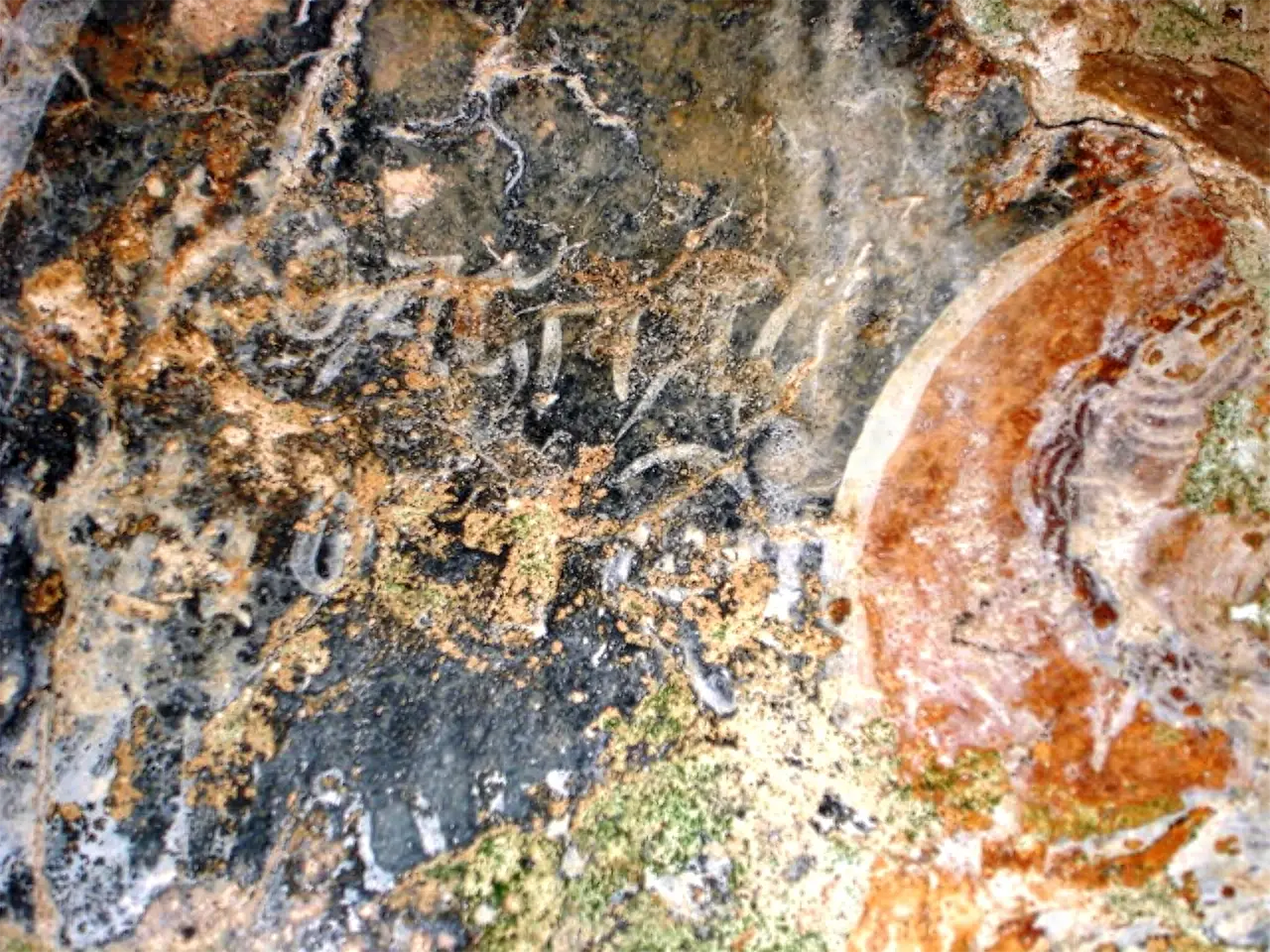
We then continue to the Grotto of Sant'Angelo, or Laura of Sant'Angelo, which is reached by an extremely winding and difficult path, which makes the laura almost inaccessible. Those who manage to reach it find themselves in a small room carved into the rock that bears monograms related to the Byzantine cult and a fresco depicting two human figures. The interpretation of the fresco is not unambiguous; some see in it Saints Cosmas and Damian, who are much venerated in this area, while others recognize St. Peter and St. Paul embraced under the blessing of Christ. We like to think that it is indeed Cosmas and Damian who are depicted here, twins born in the East around the mid-200s and killed at the time of Emperor Diocletian. The two were beloved for their knowledge of medicine, which they practiced free of charge for all who needed it.
Laura of Blessed Ambrose and Nicholas
The last laura we can see is different from the other two: it was recently reconsecrated by the Romanian Orthodox Community that runs the Monastery of St. John Theristis, and thus is for all intents and purposes an active place of worship. What does the laura have to do with the monastery? A lot, at least from the point of view of the history of the saints involved: little is known about the lives of Ambrose and Nicholas, two Greek Orthodox hermits who lived around the year 1000, but are considered the spiritual teachers of John Theristis. The holy reaper is said to have been attracted by their lives of simplicity, renunciation and spiritual recollection, so much so that he decided to follow in their footsteps.
Enter the Map of Italy's Hidden Wonders and find treasures where you least expect it... Inspire, Recommend, Share...
Collections
The Map thanks:
PNRR a titolarità del Ministero della Cultura (MiC) M1C3 – 2.1 “Attrattività dei borghi” – Linea B – “Borghi in piazza - Spirito d’Oriente in Occidente” – Int. 2 - Digitalizzazione del territorio – CUP F49I22000220006 – CIG B693A24037

Enter the Map of Italy's Hidden Wonders and find treasures where you least expect it... Inspire, Recommend, Share...
Where
Collections