
Up towards Aspromonte: Melia and the Tremusa Caves
Beyond Scilla’s seaside charm, the road to Gambarie reveals a cultivated plateau among chestnut woods and the unexpected beauty of the Tremusa Caves.


Where

Melia: where it is located
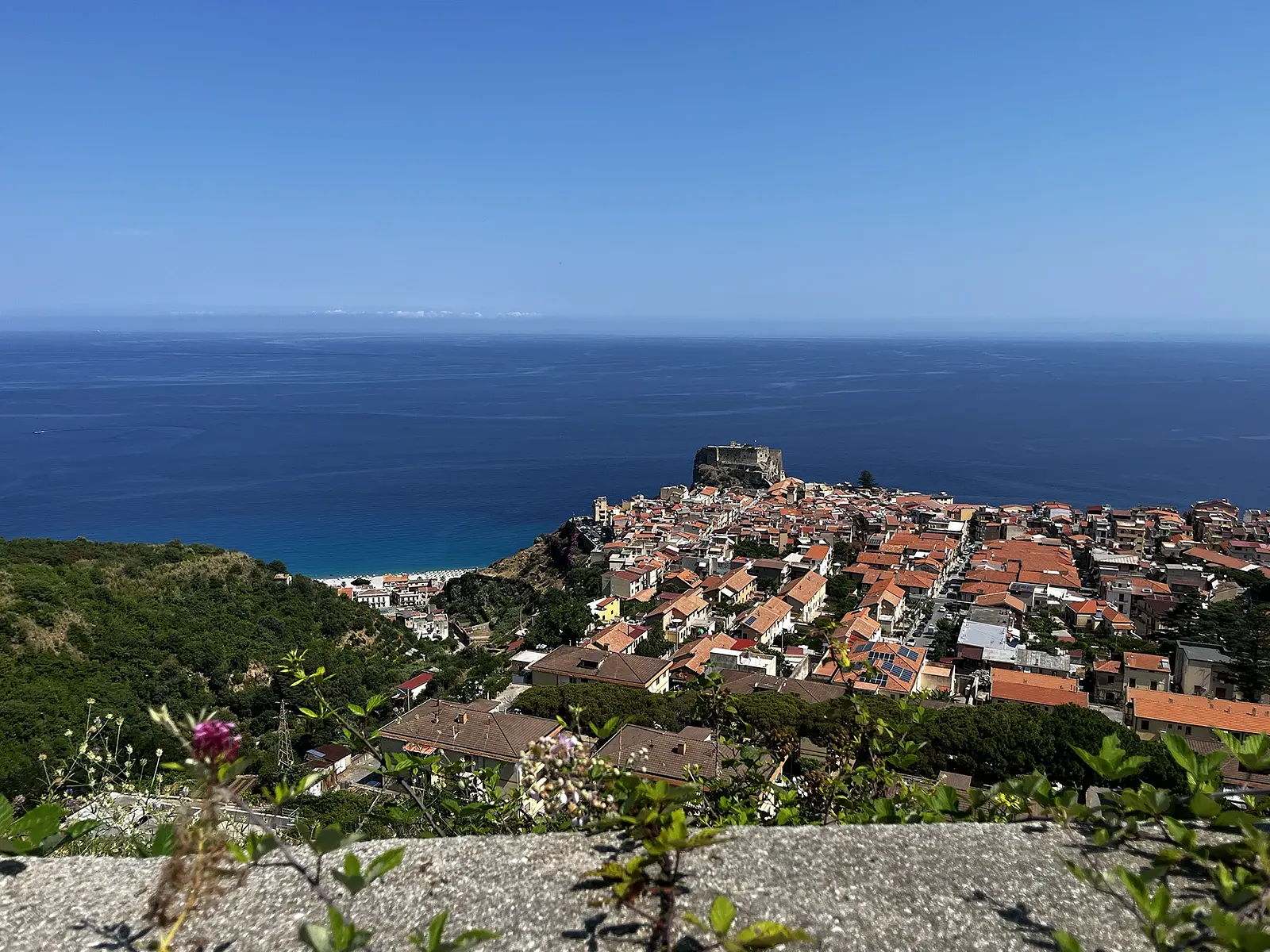
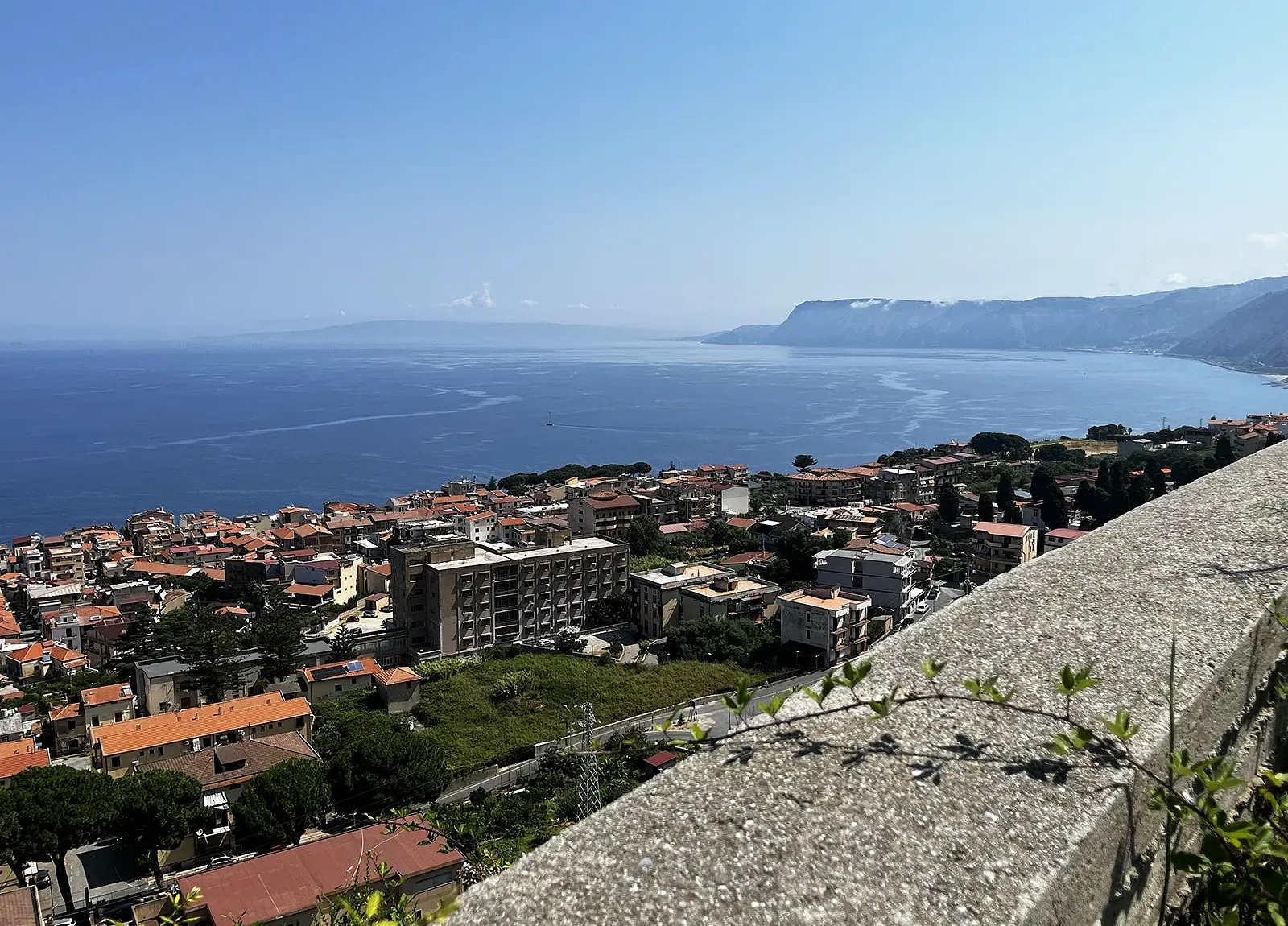
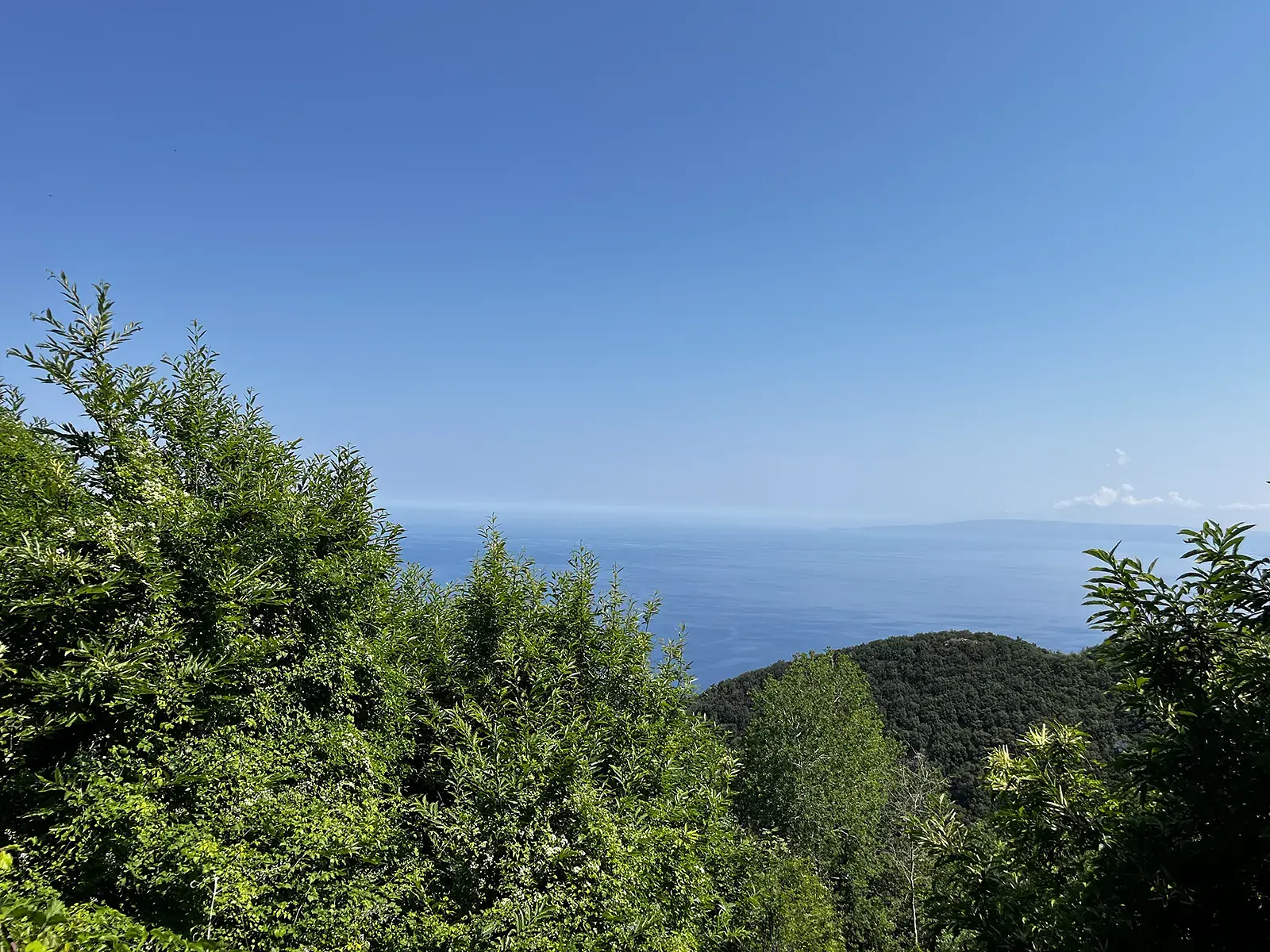
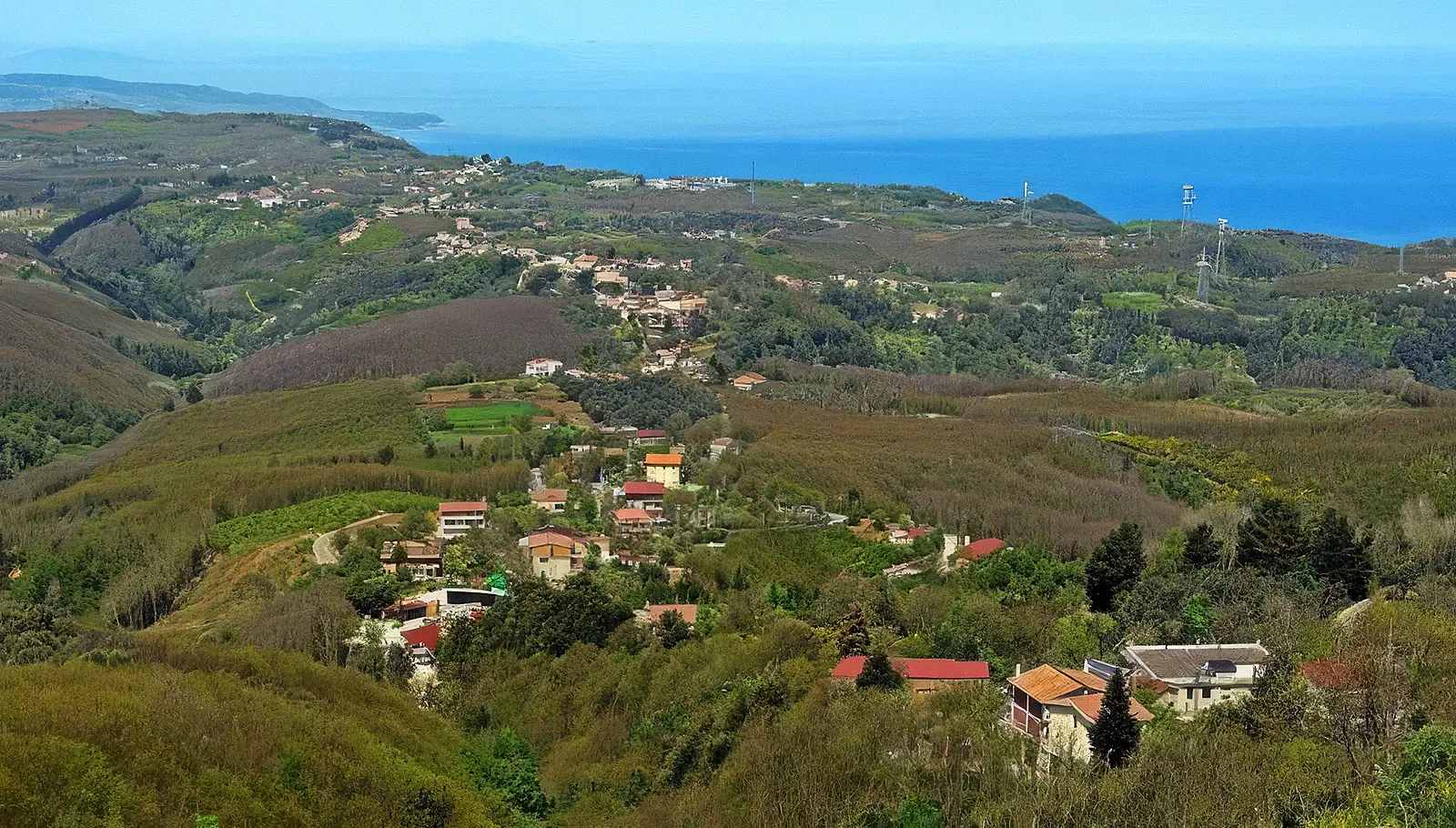
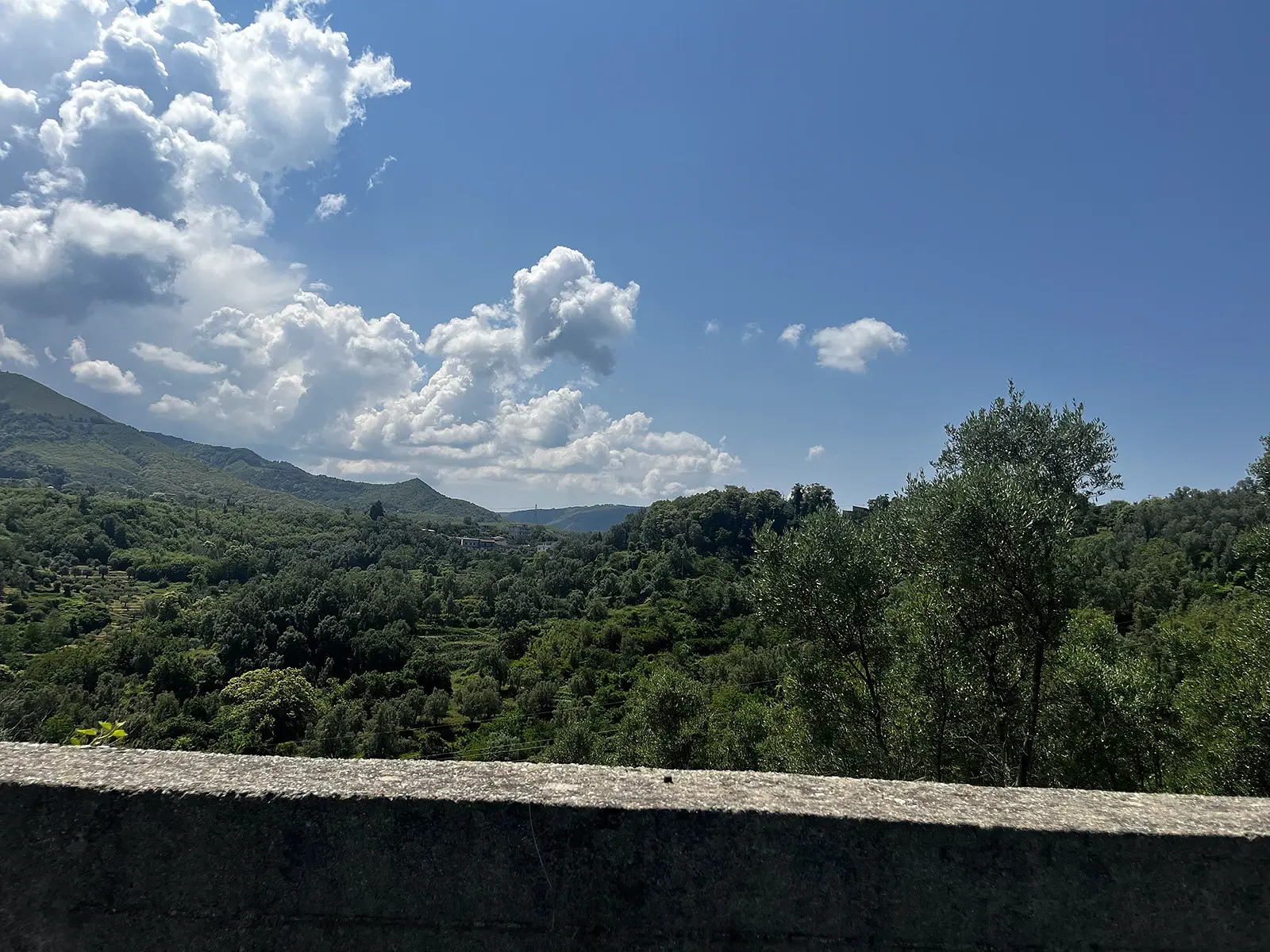
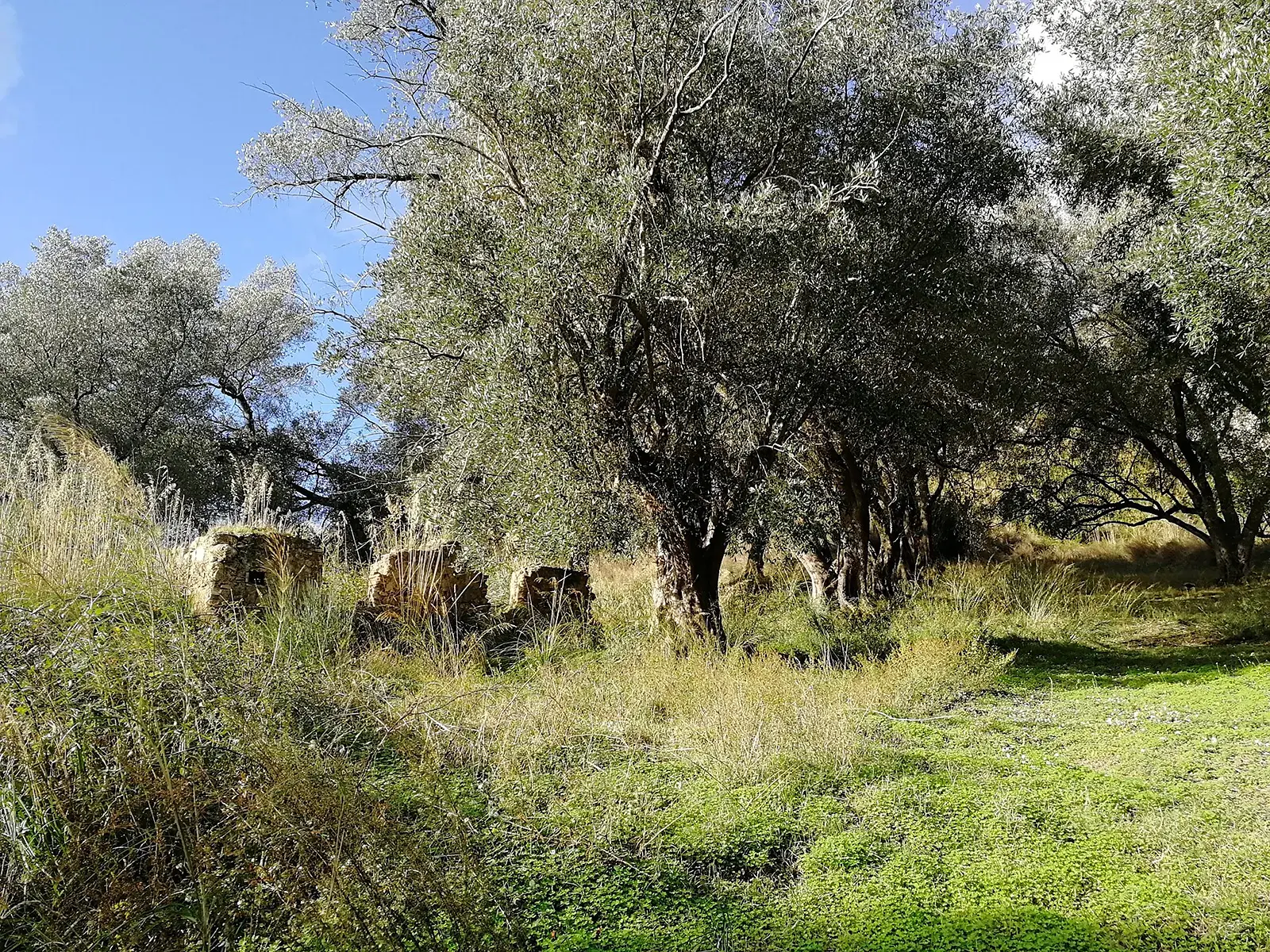
Melia is the hamlet of Scilla on the provincial road that climbs the Tyrrhenian slope of Aspromonte: twelve kilometers of ascent, in the first stretch with panoramic hairpin bends on the Costa Viola, up to the 650 meters of altitude of the plateau, nestled between the fiumara Catona and fiumara Favazzina. The built-up area stretches out as if to accompany the road to Sant'Angelo on the way to Gambarie; all around, a sort of agricultural park, with olive trees, orchards, expanses of cereals, open field vegetables, especially potatoes and beans, and country lanes to draw its mosaic; a rural environment, where spontaneous vegetation still finds its spaces and the surprising presence is that of the chestnut tree; an already mountain air that comforts in the summer heat.
What to see
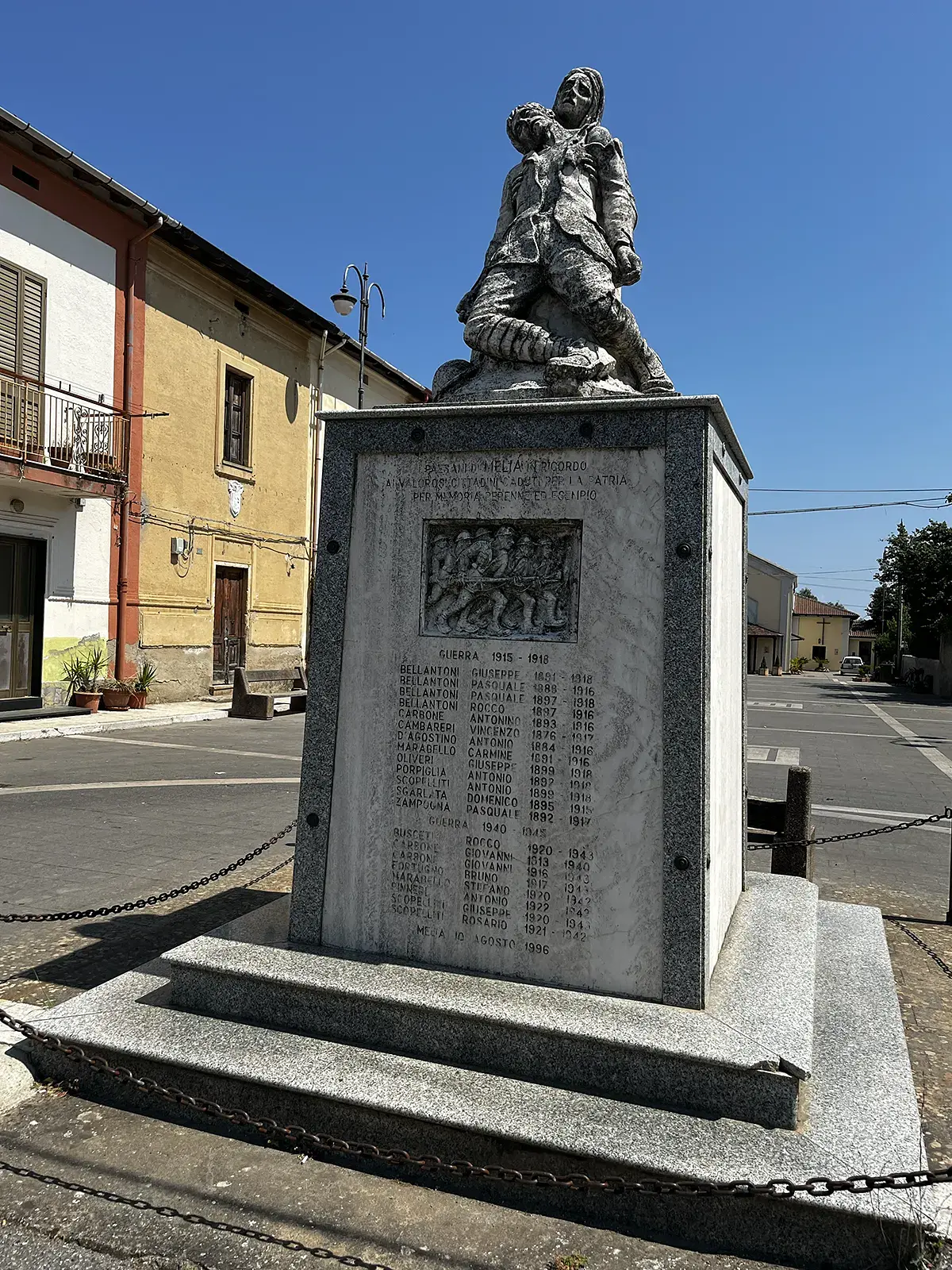
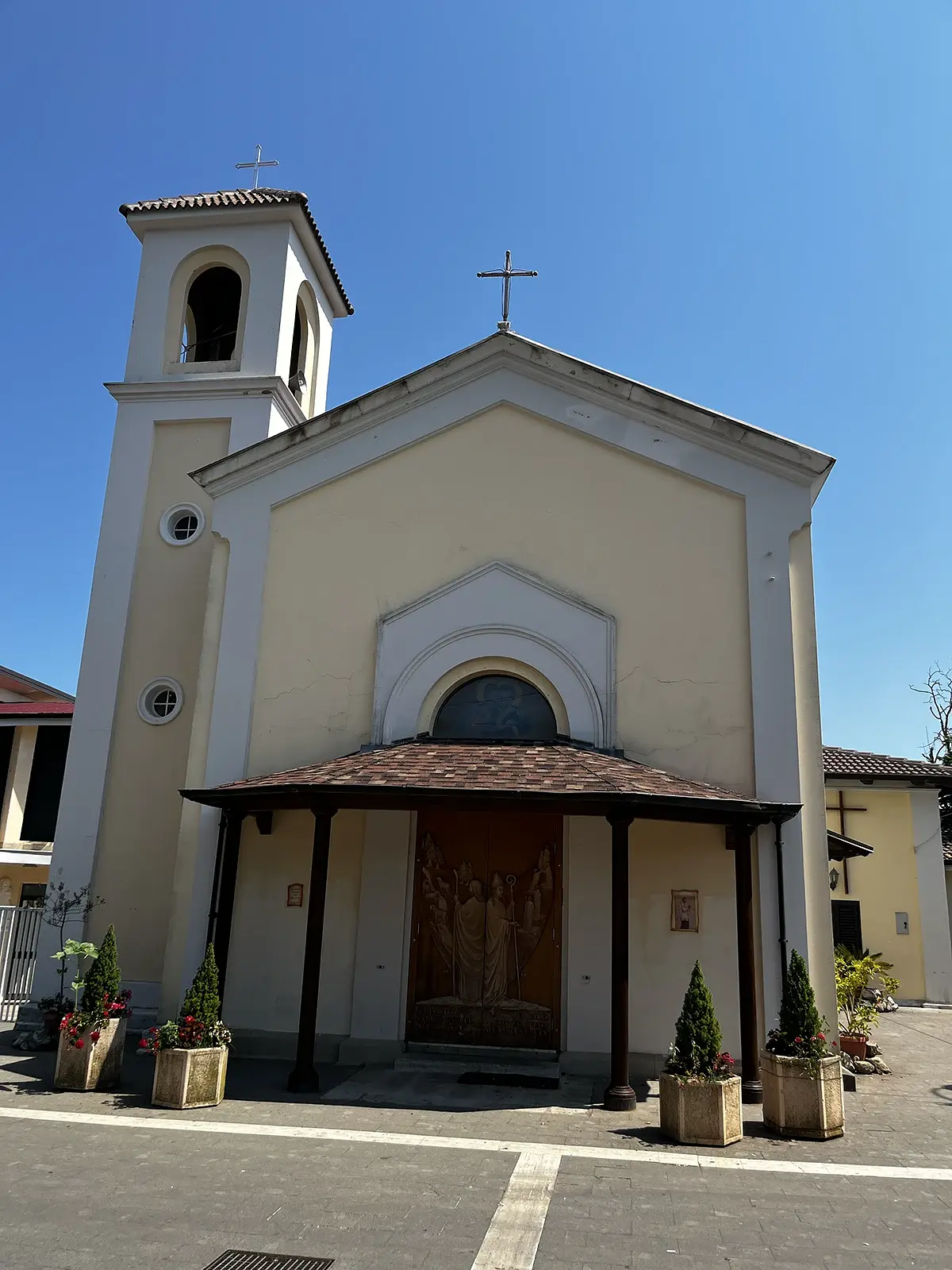
On the way, the monument to the Fallen of the Great Wars introduces the small square: the sculpture by the Scillese Carmine Pirrotta is beautiful; impressive is the tribute also required of this small community. Here is the church of San Gaetano, and chronicles tell that it was a well-deserving mayor, a certain Gaetano Minasi, who provided it for the district. Hence, the desire to remember him by dedicating it to his namesake Gaetano da Thiene, a Venetian saint a tad out of place, it would be said, were it not for the fact that he at least reached the height of his ministry in Naples. And on August 7, the feast day of the so-called Providence saint, who was also made Melia's patron saint, it's a big party with solemnities, square events and fireworks.
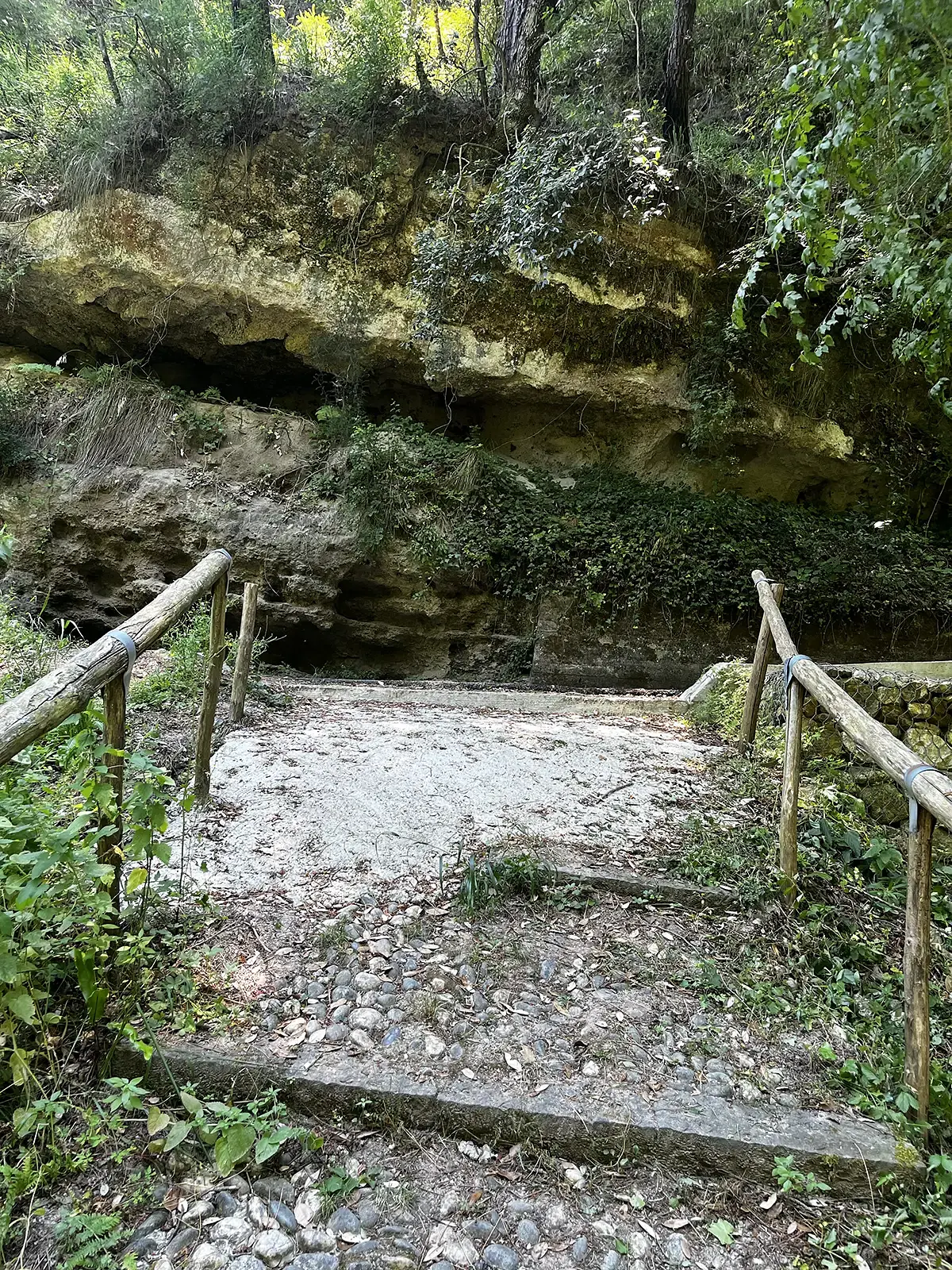
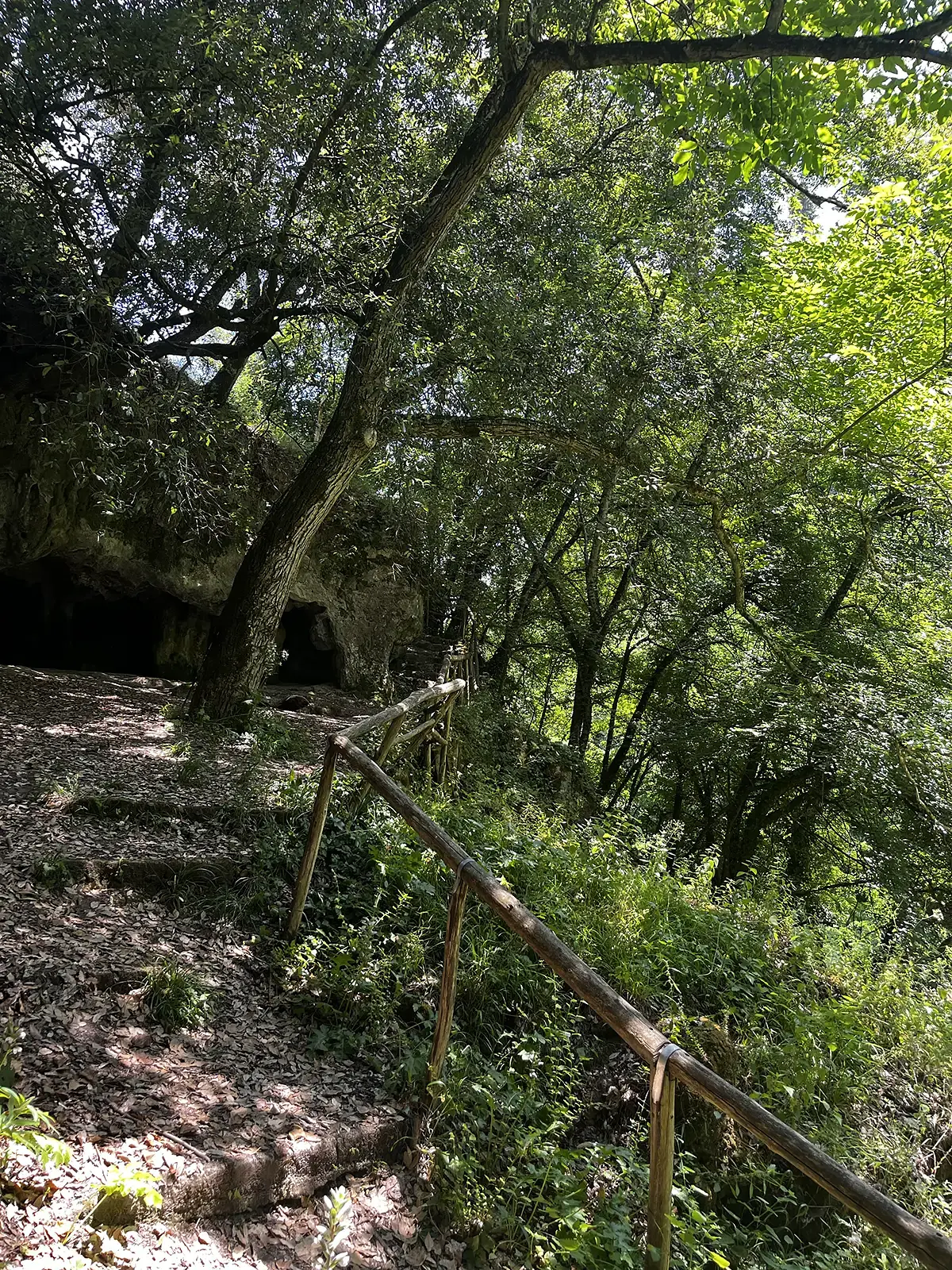
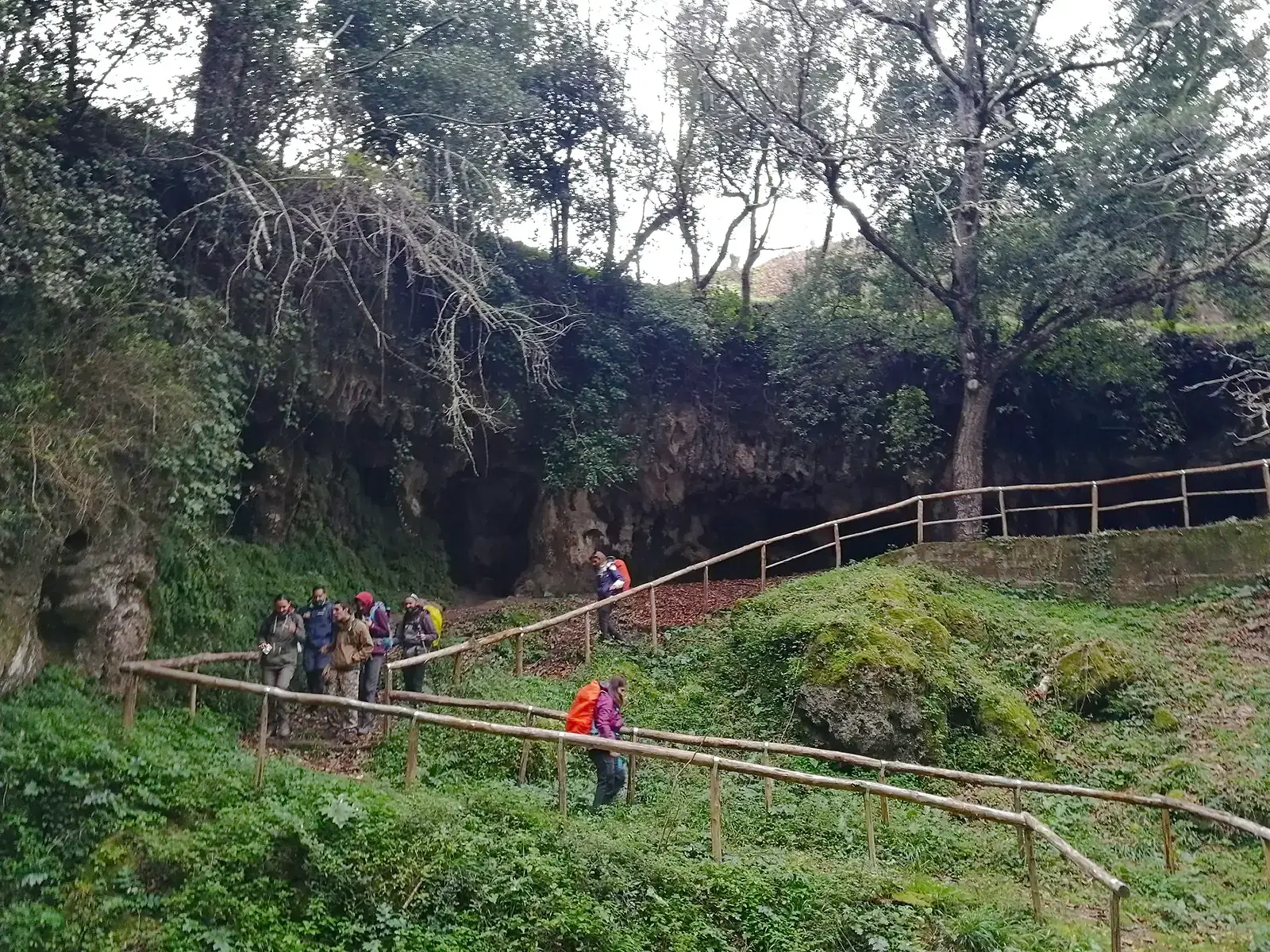
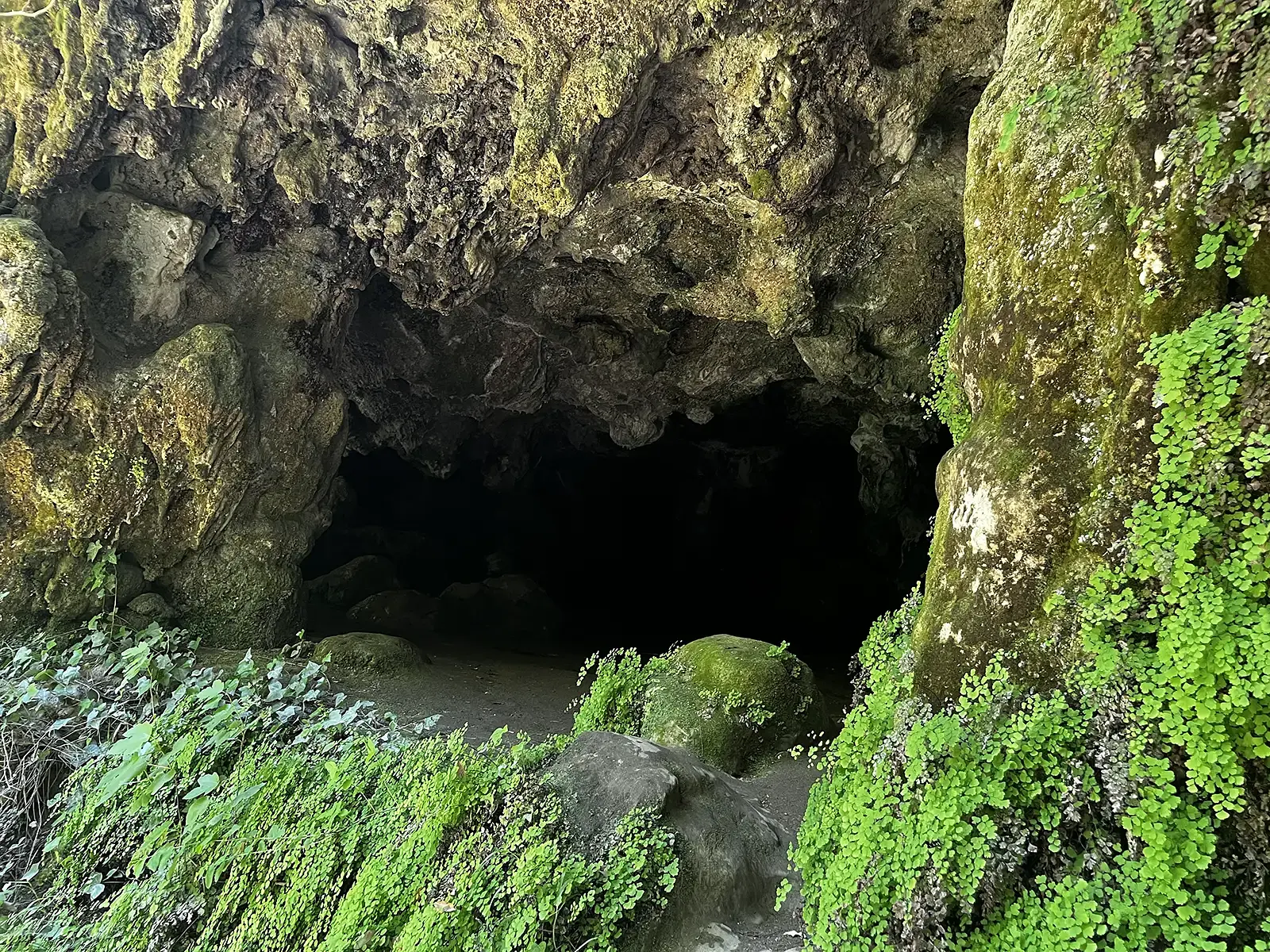
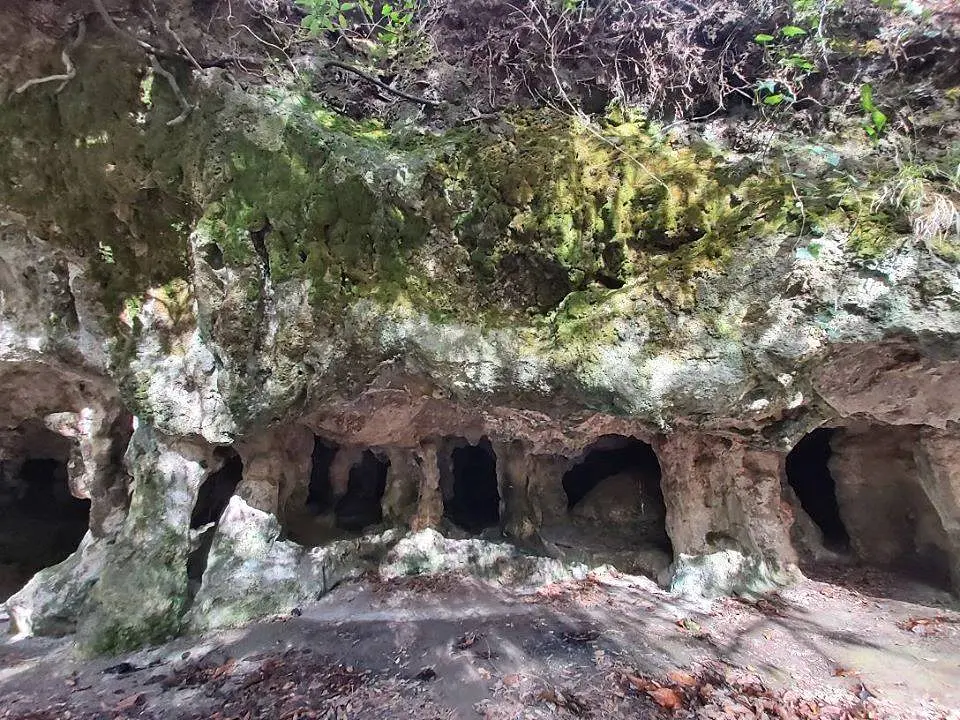
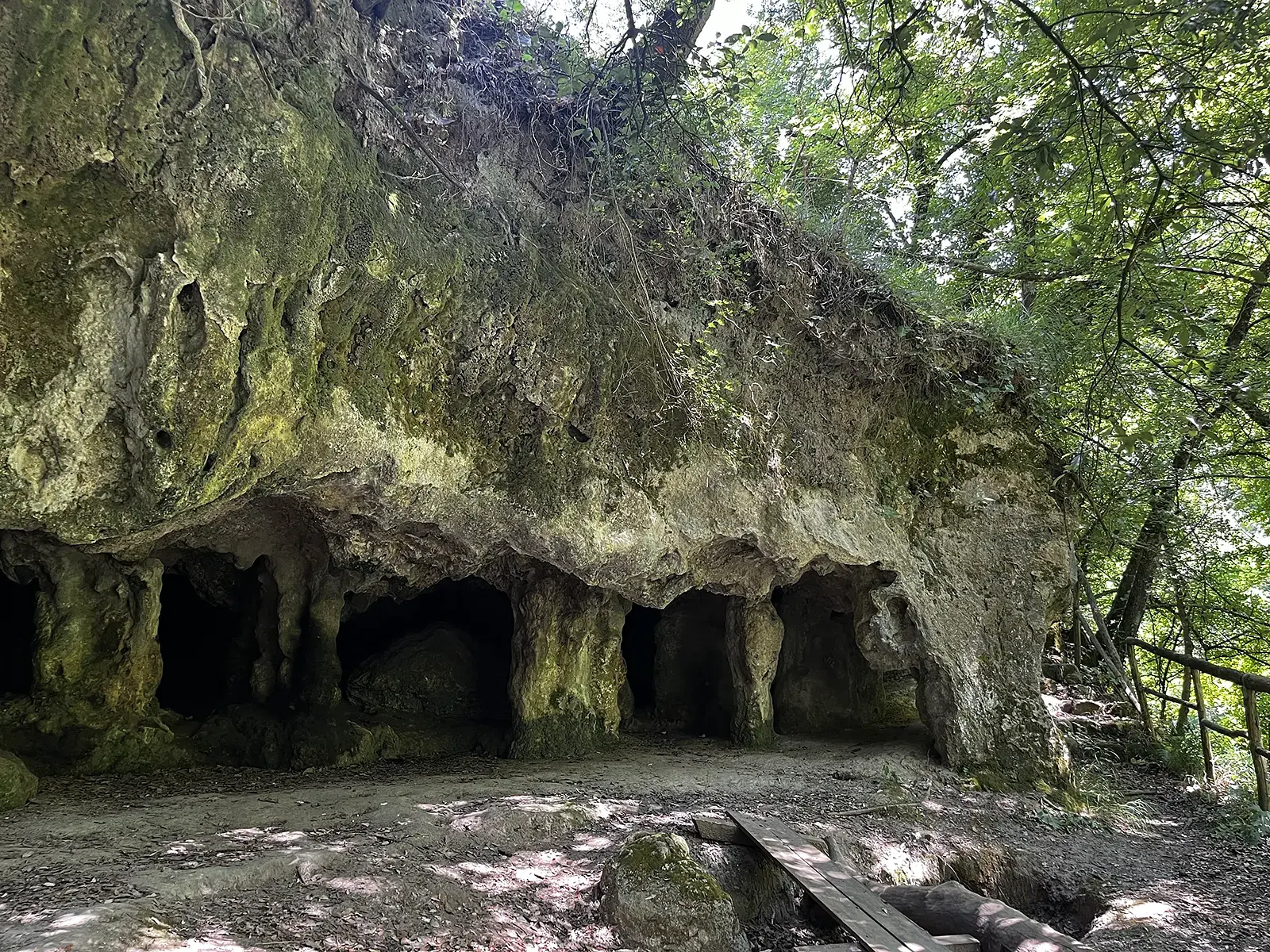
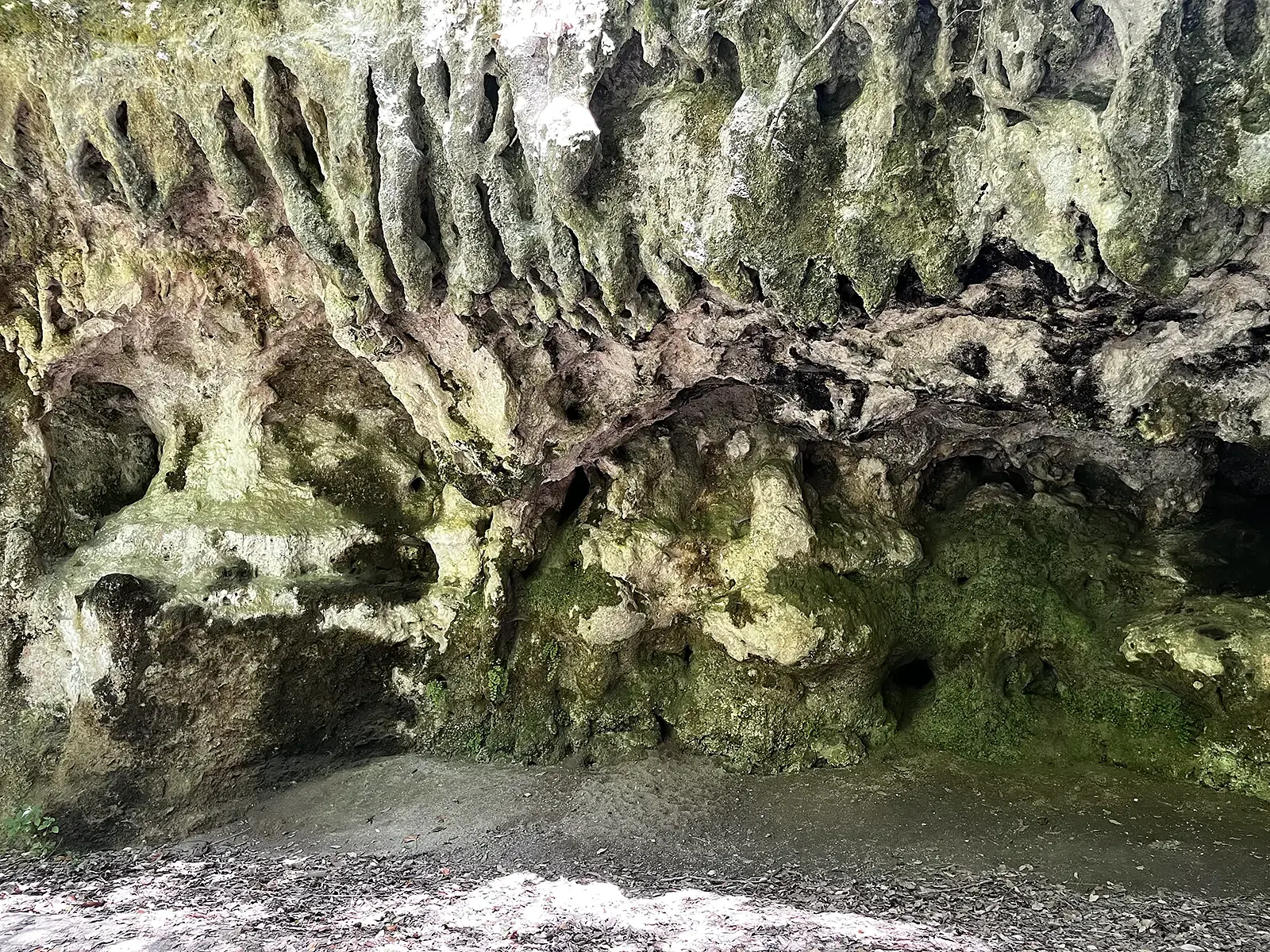
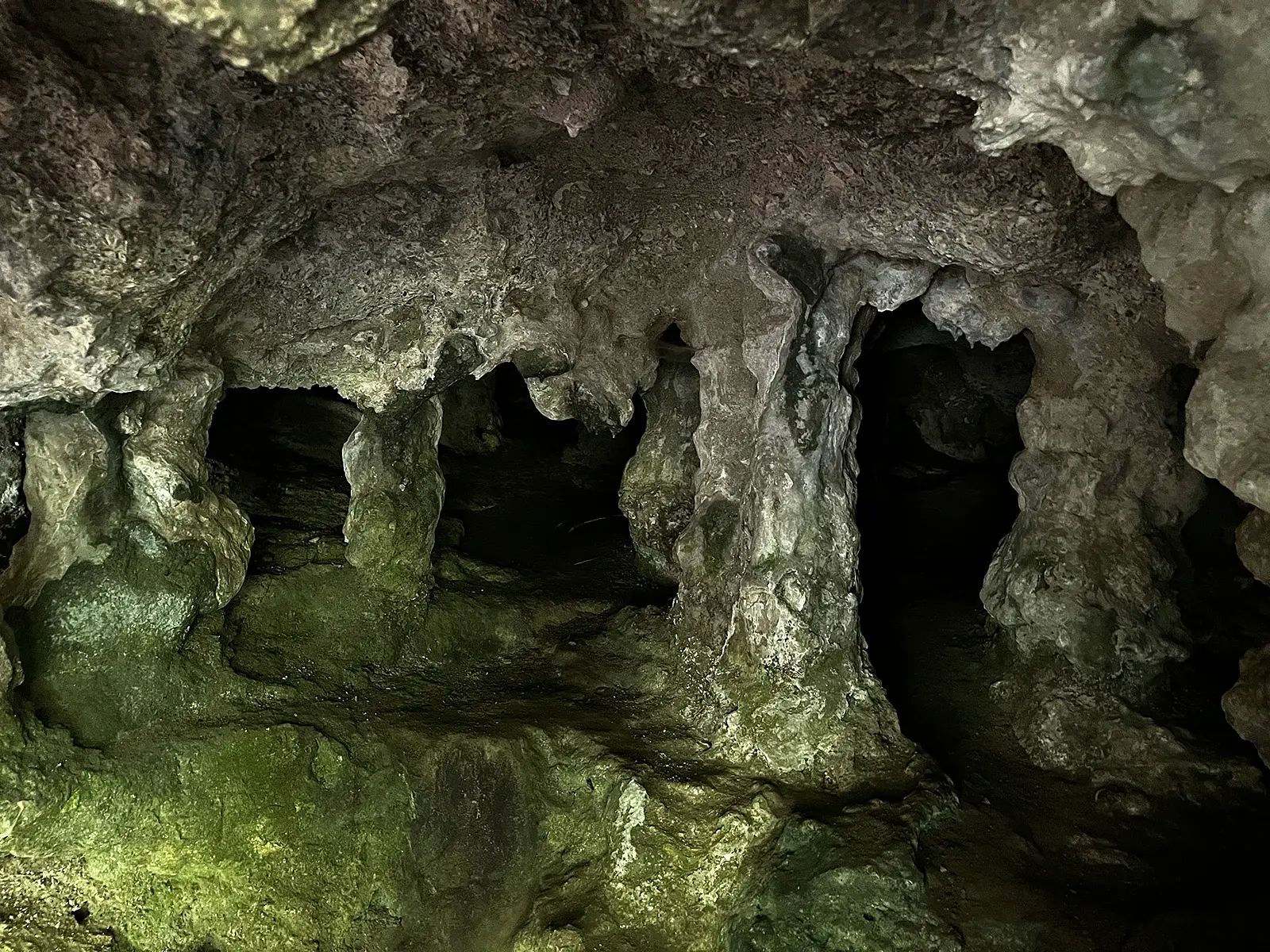
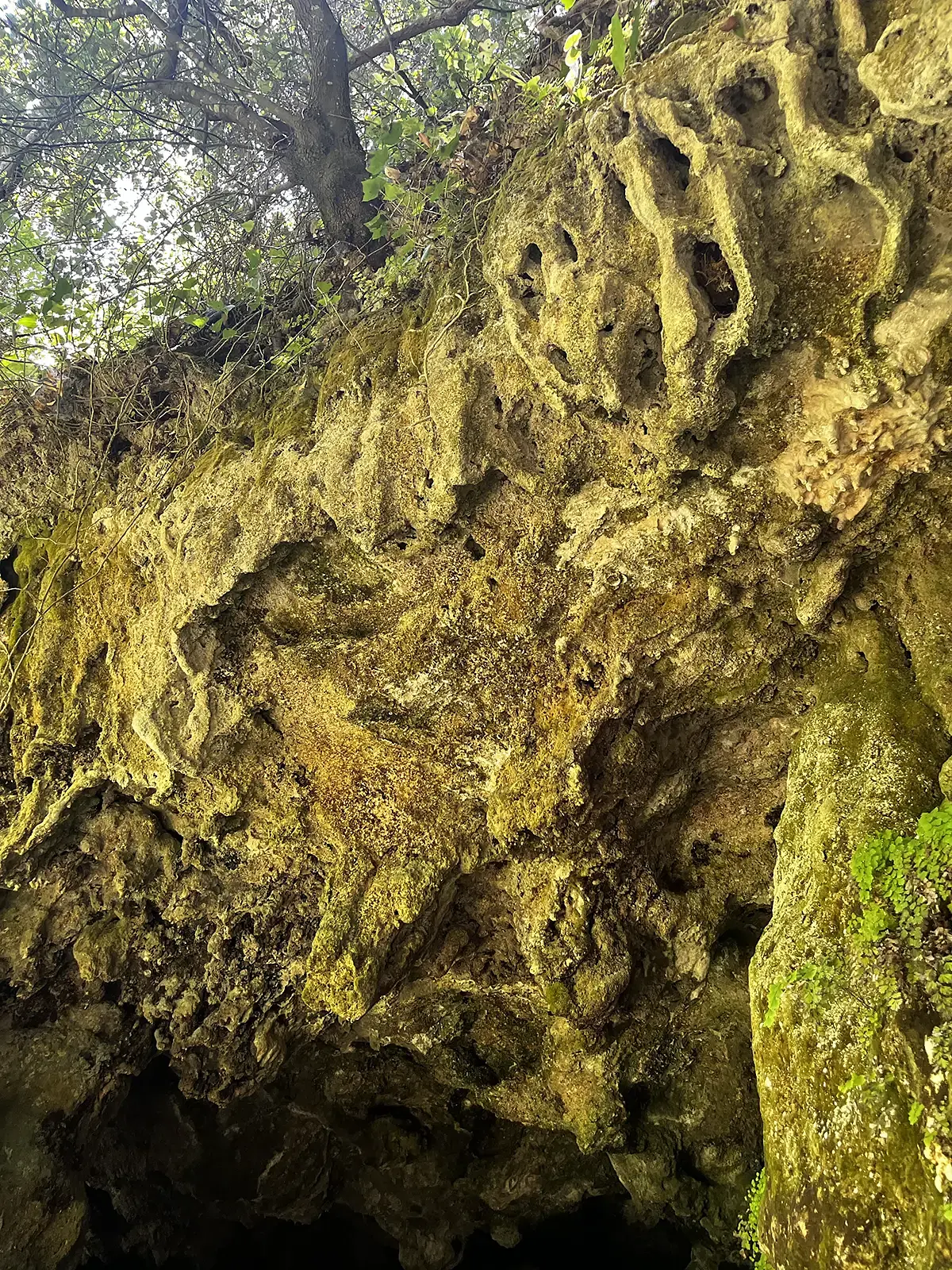
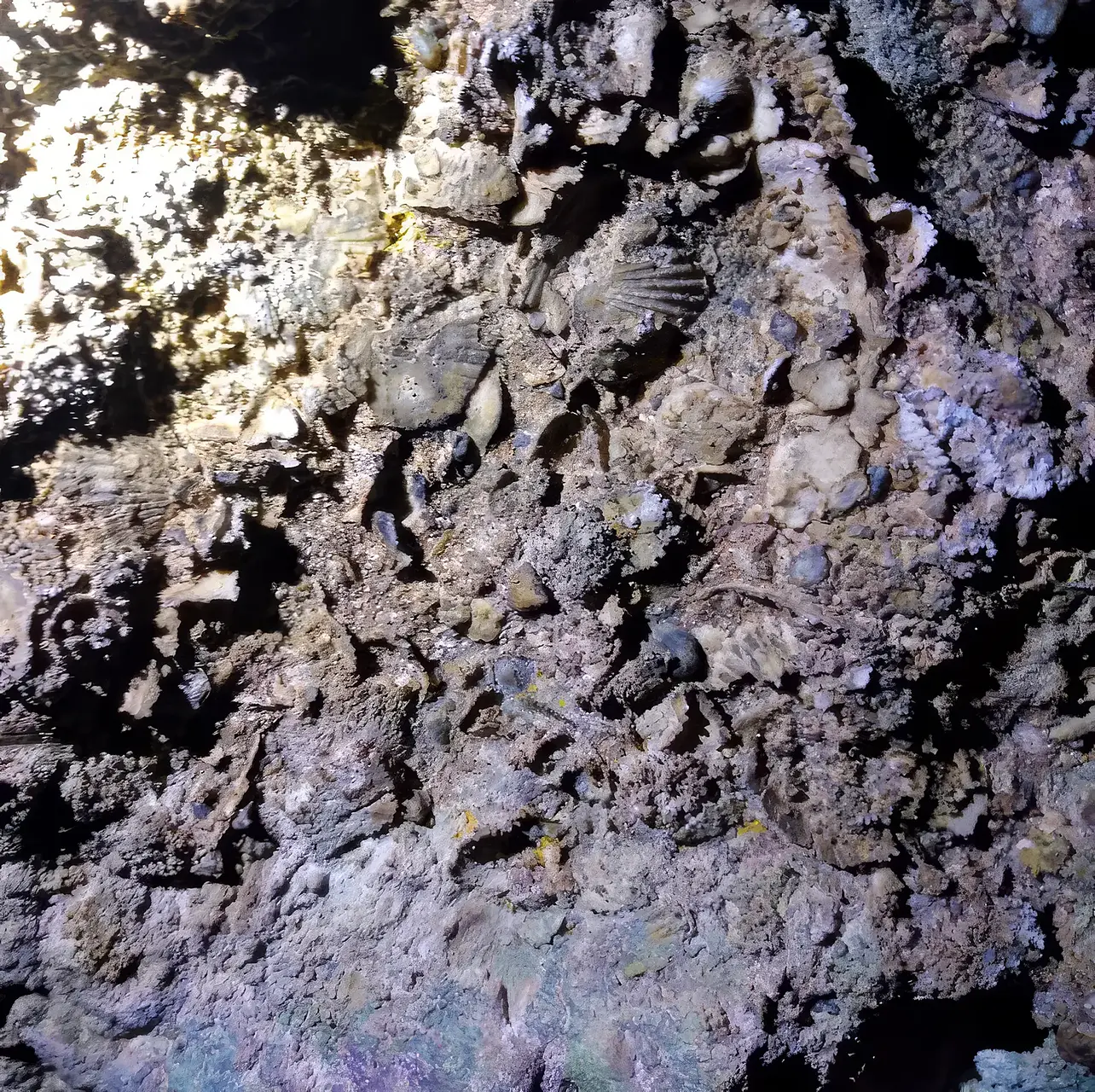
A singular attraction of Melia are the Tremusa Caves, cavities formed by erosion in the remote time when the site was at sea level. As evidence of this, in addition to the concretions typical of these formations, stalactites and stalagmites, there remain layers of conglomerate sand from which fossil shells of the unmistakable comb type emerge. An evocative site, not least because it is cloaked in the dimness of the forest in an up and down of steps and paths. It goes without saying that there is no shortage of legends, more or less well-founded. Popular imagination considered them to be hideouts of brigands. What is known for certain thanks to archaeologists is that from the Tremusa valley passed the Via Popilia, traced by the Romans to connect Capua to Reggio serving the port of Scylla. As if to say that great history also passed through little Melia.
A curiosity: the Spring of Paul the King
Not far from the square is a curiosity, the Sorgente di Paolo Re, which actually looks like a fountain and is named after Prince Paolo Ruffo, the castellan of Scilla in the mid-sixteenth century. Fact is that the territory of Melia is rich in spring waters, over the centuries primarily exploited to move mills and oil mills. An exception is this one in particular, which for its proven health-giving virtues was deemed worthy of being made available to the community. A good way to be remembered, even if in the royal appellation someone catches a bit of irony toward the then squire of Scylla.
Enter the Map of Italy's Hidden Wonders and find treasures where you least expect it... Inspire, Recommend, Share...
Collections
The Map thanks:
Scilla, dove peschiamo sorrisi – Comune di Scilla – PNRR Ministero della Cultura M1C3, Mis. 2, Inv. 2.1 “Attrattività dei borghi storici” – Finanziato dall’Unione europea, NextGenerationEU – CUP: F79I22000150006 – CIG B8DCA761AB

Enter the Map of Italy's Hidden Wonders and find treasures where you least expect it... Inspire, Recommend, Share...